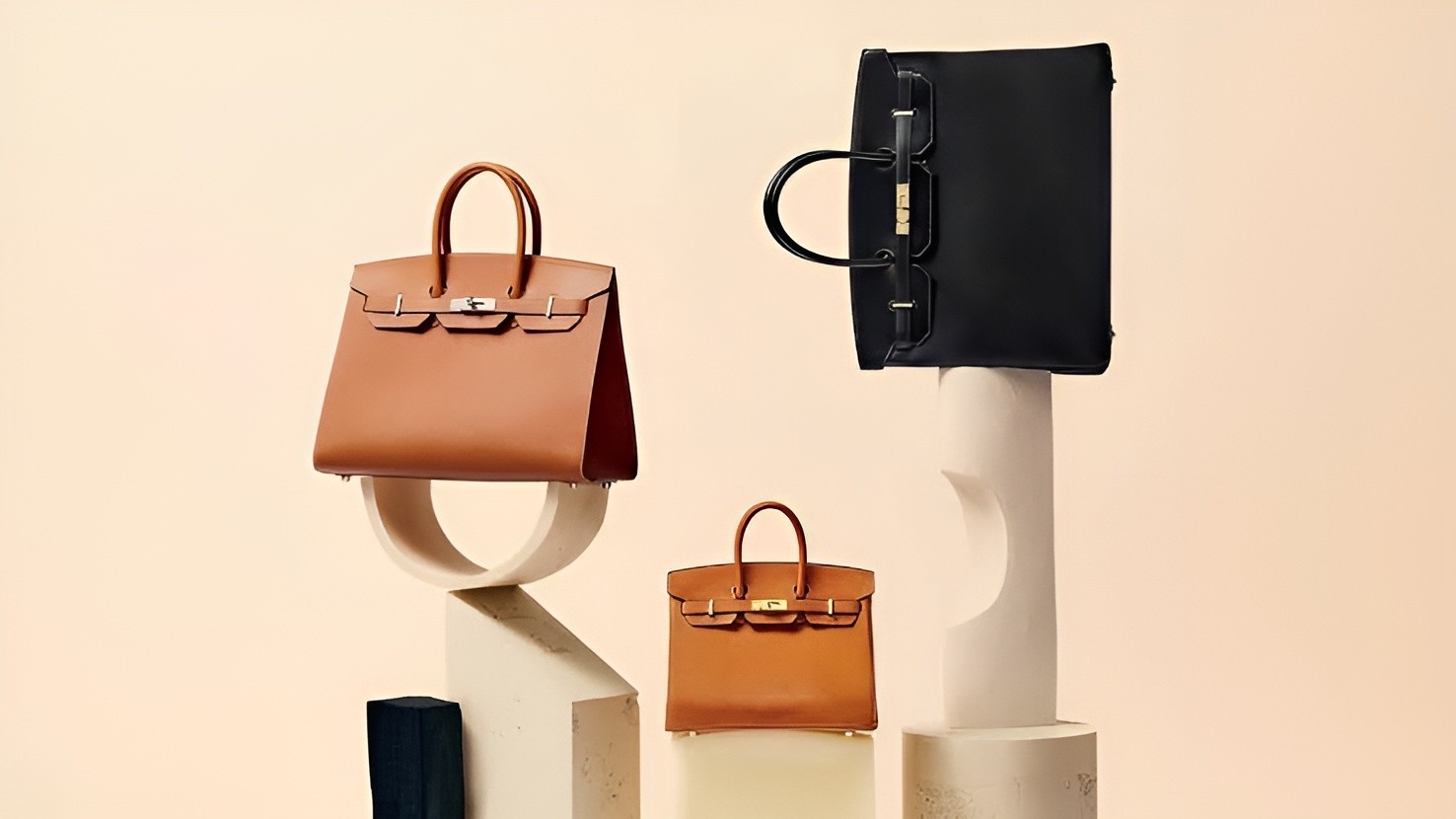

First, let’s talk cold, hard data. According to a 2023 report from Art Market Research, top luxury handbags have appreciated by an average of 13% annually over the last decade. Compare that with the S&P 500, which averaged around 10% in the same period. Headlines have been buzzing about the Hermès Birkin, which saw a resale market appreciation of 42% in 2022 alone. Meanwhile, Chanel’s classic flap bag has been closing in, with values climbing over 24% last year. These numbers aren’t just hot air; they’re hotter than a July day in Paris.
So, what’s driving this handbag hysteria? First off, scarcity. Brands like Hermès don’t just flood the market with Birkins. Oh no, they keep it exclusive, with long waiting lists and limited production runs. They’ve mastered the art of allure—ask any collector who’s ever walked into a boutique hoping to snag one off the shelf. The game here is supply and demand, and Hermès has nailed it like a pro.
Let’s not overlook the global appetite for luxury. As emerging markets like China and India continue to grow, so does the number of high-net-worth individuals eager to get their hands on these status symbols. A study by Bain & Company showed that Chinese consumers accounted for 35% of global luxury spending in 2022, with handbags being a top priority. It’s as if the entire planet collectively decided, “Let’s make our wealth visible.”
The investment potential isn’t just about brand prestige or scarcity, though; it’s also about craftsmanship. These bags, especially from Hermès, Chanel, and Louis Vuitton, are meticulously crafted, often with exotic leathers and precious hardware. They aren’t just bags; they’re portable art pieces. And like any good art, they appreciate over time — provided you don’t spill your morning latte on them.
Looking ahead to 2025, the forecast is, well, sunny with a chance of skyrocketing value. As the luxury resale market becomes more normalized and digitized. There’s a growing transparency in pricing and authenticity, which only boosts buyer confidence and drives up demand.
But let’s not kid ourselves. This isn’t a get-rich-quick scheme. Investing in luxury handbags requires the same due diligence as any other asset. Know your brands, understand market trends, and for heaven’s sake, keep that bag in pristine condition. You wouldn’t be caught dead slamming around a Patek Philippe, right? Treat your Birkin with the same reverence.
In conclusion, luxury handbags aren’t just a fashion statement; they’re a savvy investment, outperforming traditional markets while adding a touch of glam to your portfolio. So next time your financial advisor raises an eyebrow at your handbag collection, just flash them a smile and a copy of this article. You’re not just collecting; you’re curating your own luxury asset class.
And remember, folks, in this game of investment, sometimes it’s the most fabulous assets that yield the mightiest returns. Until next time, keep collecting and stay fabulous!