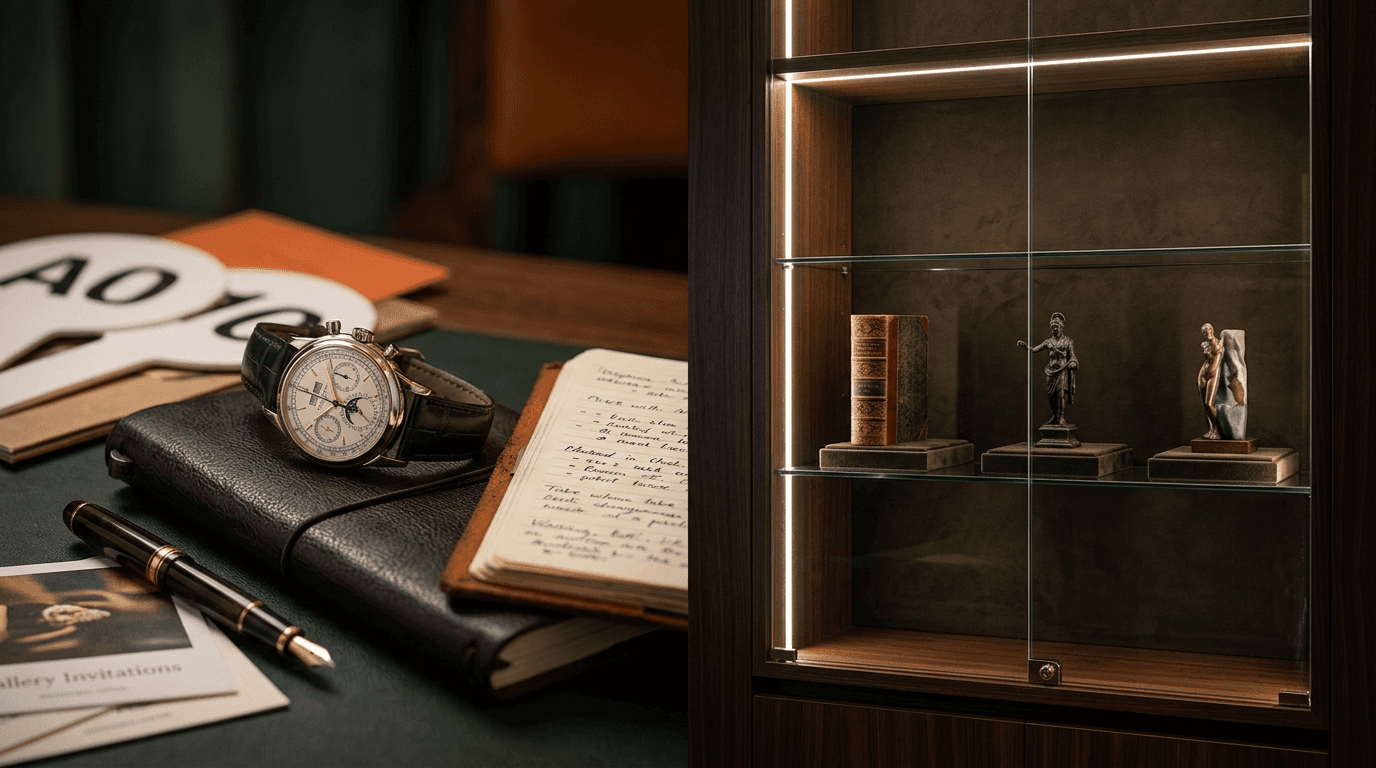

This is "The Hunt." It is visceral, caffeinated, and deeply psychological. But it begs a fundamental question that sits at the heart of our culture: Is the peak of collecting found in the pursuit, or in the permanence of ownership?
The Dopamine of the Departure
Psychologists often speak about "anticipatory utility." It’s the phenomenon where the brain releases more dopamine during the lead-up to an event than during the event itself. In the world of high-end horology or fine art, this is the engine that drives the market.
For the seasoned collector, the hunt is an intellectual exercise. It’s about the education—the hours spent learning the nuance of a Serif dial or the provenance of a specific sneaker drop. There is a specific brand of social currency found in the "find." Telling the story of how you tracked down a piece in a sleepy shop in Tokyo or won a bidding war against the odds is often more intoxicating than the object sitting on your wrist or hanging on your wall.
In this phase, the object is a trophy. It represents a victory of knowledge and persistence. This is why we see "catch and release" behavior in the market; once the mystery is solved and the object is secured, the dopamine levels drop, and the eye begins to wander toward the next horizon.
The Resonance of the Return
If the hunt is about the fire, ownership is about the hearth. There is a different, more profound satisfaction found in the long-term stewardship of an asset. This is where "Vaulted Voices" truly find their resonance.
Long-term ownership moves beyond the transaction and into the realm of relationship. It’s about how a watch feels after five years of daily wear—the scratches that mark specific life events, the way a painting changes character as the morning light hits it differently across the seasons. This is the "slow burn" of collecting.
For the serious collector, ownership is also about responsibility. Safeguarding a piece of history requires a different skillset than finding it. It requires an understanding of preservation, market fluctuations, and the infrastructure of protection. Owning a masterpiece isn't just about looking at it; it’s about ensuring its story continues long after you’ve passed the torch.
Closing the Gap: From Pursuit to Preservation
The tension between the hunt and the ownership is what keeps the collecting community vibrant. However, many collectors find that the stress of the hunt—the fear of authenticity issues or the headache of logistics—can sour the experience of owning. Conversely, the "burden" of ownership (insurance, cataloging, valuation) can make a collector hesitant to hunt again.
This is where the philosophy of the "Modern Vault" comes into play. At WAX Collect, we believe that the transition from the hunt to the home should be seamless. The thrill shouldn't end at the point of purchase. By utilizing free collection management tools to digitize your inventory, you transform a cluttered shelf into a curated gallery. When you have a white-glove concierge and carrier-agnostic insurance coverage backed by real market values, the anxiety of ownership evaporates.
When you aren't worried about the "what ifs," you are free to enjoy the "what is."
Why This Matters
Whether you are a budding enthusiast or a veteran with a multi-million dollar portfolio, recognizing where you fall on the Hunt-vs-Ownership spectrum is vital for your mental (and financial) well-being.
If you live for the hunt, focus on liquidity and staying networked. If you live for ownership, focus on protection and legacy.
Ultimately, the most successful collectors are those who master both. They hunt with the precision of a scholar and own with the care of a curator. They understand that while the chase gets the heart racing, it’s the quiet moments of reflection with a prized possession that truly feed the soul.
The hunt may be the prologue, but ownership is the story. Make sure yours is protected.


