
In the world of high-value collectibles—be it a "Full Set" Paul Newman Daytona, a Hermès Birkin Faubourg, or a pristine 1952 Topps Mickey Mantle—the "transaction" is rarely as simple as clicking 'Buy It Now.' It is a choreographed dance of ego, due diligence, and logistical gymnastics.
If you’ve ever wondered how a $500,000 asset actually moves across the world, pull up a chair. We’re going behind the curtain.
The Hunt: Discovery Beyond the Algorithm
For the serious collector, discovery doesn't happen on an Instagram explore page. It happens in the "Grey Space"—that nebulous network of brokers, specialists, and fellow obsessives who trade in whispers.
A high-value acquisition usually begins with a tip. "The family is ready to move the Basquiat," or "I know where the unpolished 6263 is sitting." This is the courtship phase. It involves clandestine WhatsApp messages and late-night calls. The goal isn't just to find the object; it’s to establish its provenance. In a market where a replaced dial or a questionable signature can erase six figures of value, the "story" is as important as the "steel."
The Vetting: Trust, but Verify Everything
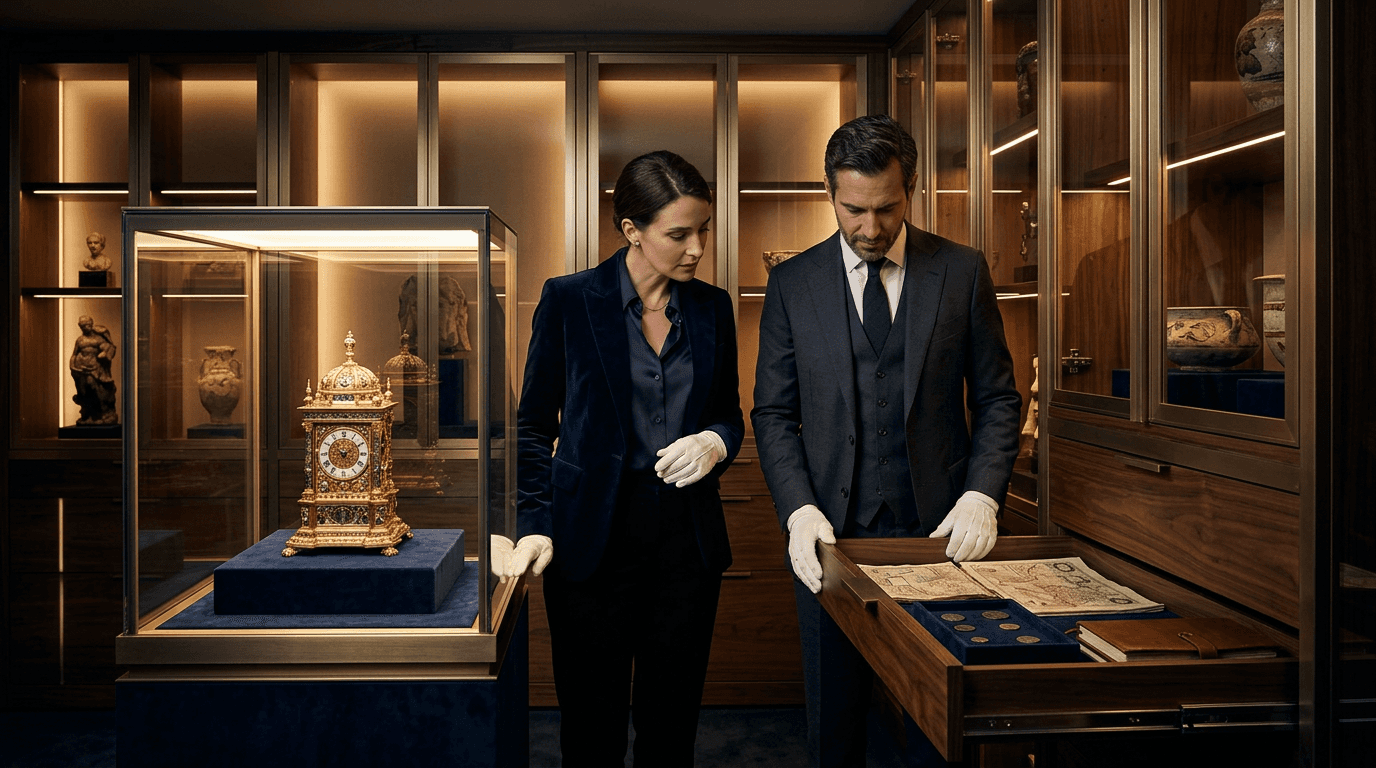
Once the target is identified, the gloves come off. This is where the amateurs get separation anxiety and the pros get clinical.
We look for "The Paperwork," but we also look for what isn't there. We examine macroscopic photos of screw heads on a movement to see if a ham-fisted watchmaker has ever been inside. We check the auction records of every major house for the last twenty years to see if the piece has a "reputation."
For our members at WAX Collect, this is where the heavy lifting happens. Using our digital cataloging tools to benchmark an asset against the current market isn’t just about being organized—it’s about defensive collecting. You don't want to buy the top of a bubble, and you certainly don't want to buy a Frankenstein.
The Negotiation: The Art of the "No"
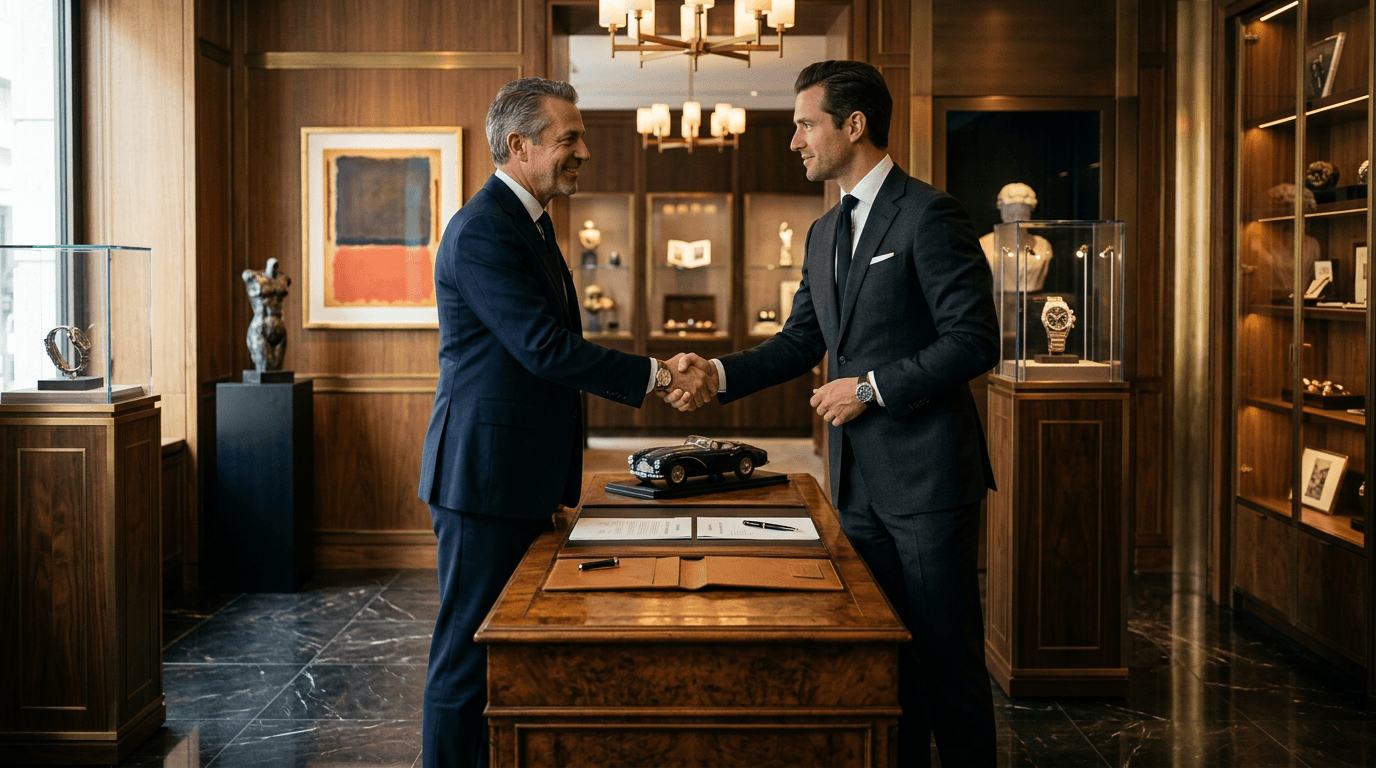
Negotiating a high-value asset isn't about browbeating the seller; it’s about finding the "pain point" of the market. If you’re dealing with a legacy dealer, they know exactly what they have. The leverage usually comes down to terms: How fast can you move? Can you handle the logistical nightmare of an international import?
I’ve seen deals fall apart over a 2% difference in price, only for the buyer to realize six months later that they missed the last "great" example of that reference for the price of a mid-sized sedan. In this tier, the cost of regret is always higher than the premium paid for quality.
The Logistics: The "Hand-to-Hand"
This is the part they don't show you on TV. Once the hammer falls or the contract is signed, the real anxiety begins. Moving a seven-figure asset isn't a job for FedEx.
It involves armored transit—think Malca-Amit or Brinks—and specialized insurance binders that trigger the moment the item leaves the seller’s hands. This is the "white glove" reality. When we talk about WAX’s concierge service, it’s exactly this kind of friction we aim to eliminate. Having a specialist who understands the nuances of "In-Transit" coverage means the difference between a restful night’s sleep and a weekend of staring at a tracking number that hasn't updated in twelve hours.
The Delivery: The "New Asset" Smell
There is a ritual to the unboxing. The crack of the leather box, the smell of aged paper, the weight of the metal. But the moment the asset enters your collection, the work begins again.
Experienced collectors immediately digitize the new acquisition. They upload the high-res photos, the Gemological Institute of America (GIA) certificates, and the bill of sale into their WAX vault. Why? Because the market never stops moving. Whether the value climbs 15% overnight or a new auction result resets the floor, you need to know exactly where your net worth stands.
Why Does This Matter?
Whether you are chasing your first vintage Submariner or your tenth piece of Blue Chip art, the process is the same. It requires a blend of cold-blooded data and hot-blooded passion.
The transaction is the bridge between being a "fan" and being a "steward." You aren't just buying a thing; you’re taking responsibility for a piece of culture. And in a world where values are volatile and fakes are getting better, your best tool isn't your wallet—it’s your infrastructure.
Collect wisely. Stay networked. And for God’s sake, keep the original box.