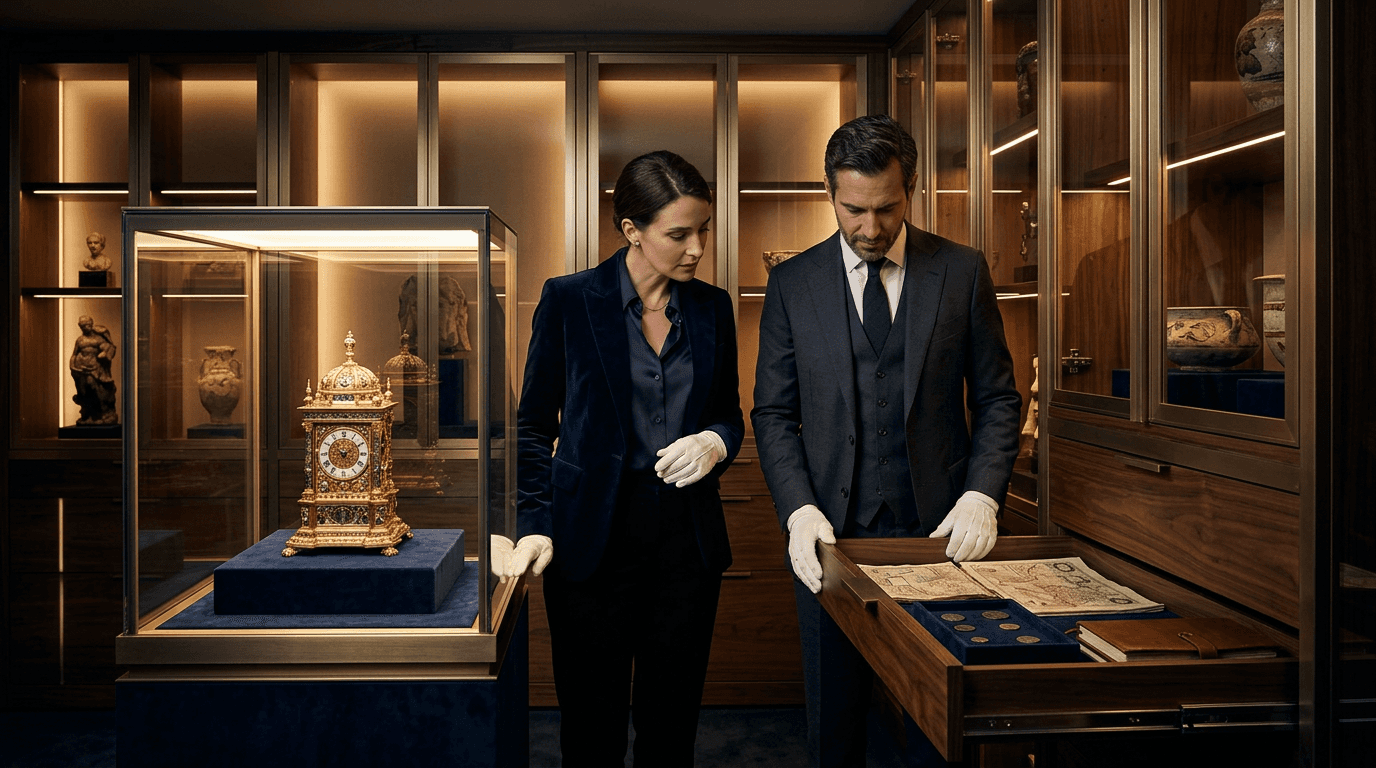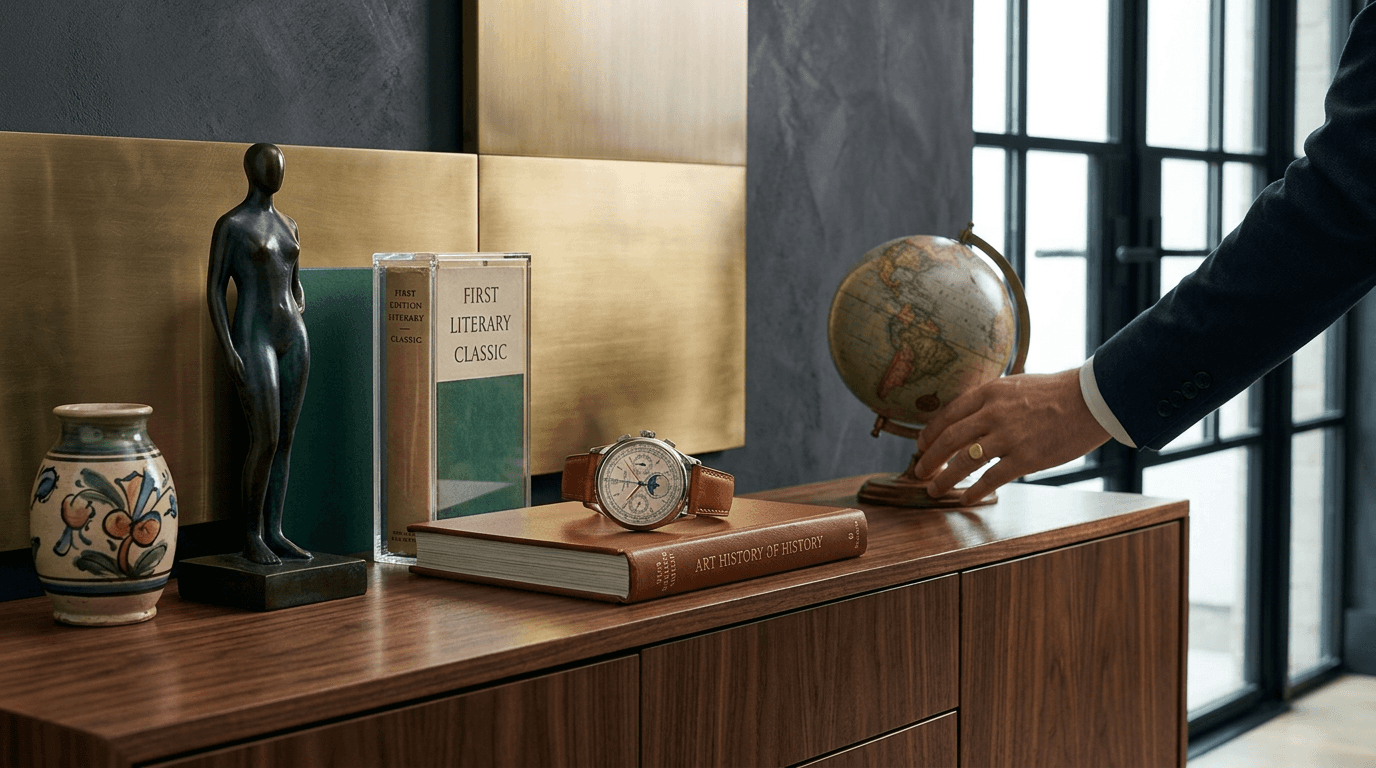

But lately, in my conversations with the community at WAX Collect, the tone of these gatherings has shifted. The thrill of the hunt is still there, but it’s being followed by a more sober, practical question: “Now that I have it, how do I make sure I never actually lose it?”
We are witnessing a profound mindset shift. The modern collector is moving away from the simple ego of ownership and toward a sophisticated culture of risk awareness. It’s no longer just about what you own; it’s about how well you protect the story that item tells.
The End of the "Set It and Forget It" Era
For decades, the "insurance" part of collecting was a chore—a dusty rider on a homeowners policy that hadn’t been updated since the Bush administration. You bought a watch, threw it in a drawer, and assumed the world would stay the same.
The world did not stay the same.
In the last five years, we’ve seen the "Great Valuation Spike." Whether it’s a 1980s integrated-bracelet sport watch or a graded Charizard, values didn’t just grow; they leaped. For the serious collector, this created a dangerous gap. If your collection doubled in value but your coverage remained static, you weren't just "well-off"—you were underinsured and exposed.
Today’s enthusiasts are realizing that a collection is a living breathing thing. It requires a pulse check. This isn't about being paranoid; it’s about being a good steward of history. When you realize that your vintage Patek Philippe or your heirloom Birkin represents a significant portion of your net worth, protection stops being a "maybe" and starts being a "must."
Nostalgia Meets Modern Utility
Why does this matter? Because for many of us, these items aren't just assets on a spreadsheet. They are time machines.
I recently spoke with a collector who spent ten years hunting for a specific 1960s Fender Stratocaster—the same model his father played. To him, the risk wasn't just financial; it was the potential loss of a tether to his past. This is where the mindset shift gets personal.
Serious collectors are now looking for "Global Protection." They want to know that if they wear that watch to a wedding in Tuscany or ship that painting to a restorer in London, they aren't courting disaster. They are looking for "Market Value" structures—realizing that a fixed-payout policy from 2019 is essentially a haircut on their investment in 2024.
The Power of Organization
The most joyful part of this shift is seeing how technology is making protection easier. In the past, "cataloging" meant an Excel sheet that lived on a lost thumb drive.
By organizing, you aren't just preparing for a claim; you are deepening your relationship with your items. You’re seeing the patterns of your own taste.
The Final Word for the Enthusiast
If you are a budding collector just starting out, or a veteran with a vault full of treasures, ask yourself: If the worst happened tomorrow, do I have a plan, or just a memory?
Protecting what you love isn’t a burden; it’s the final step of the acquisition process. It’s the difference between being a temporary holder of an object and being its true guardian.
Let's keep the joy in the hobby. Let’s keep the nostalgia safe. Because the only thing better than owning a piece of history is knowing it’s secure for the next generation.