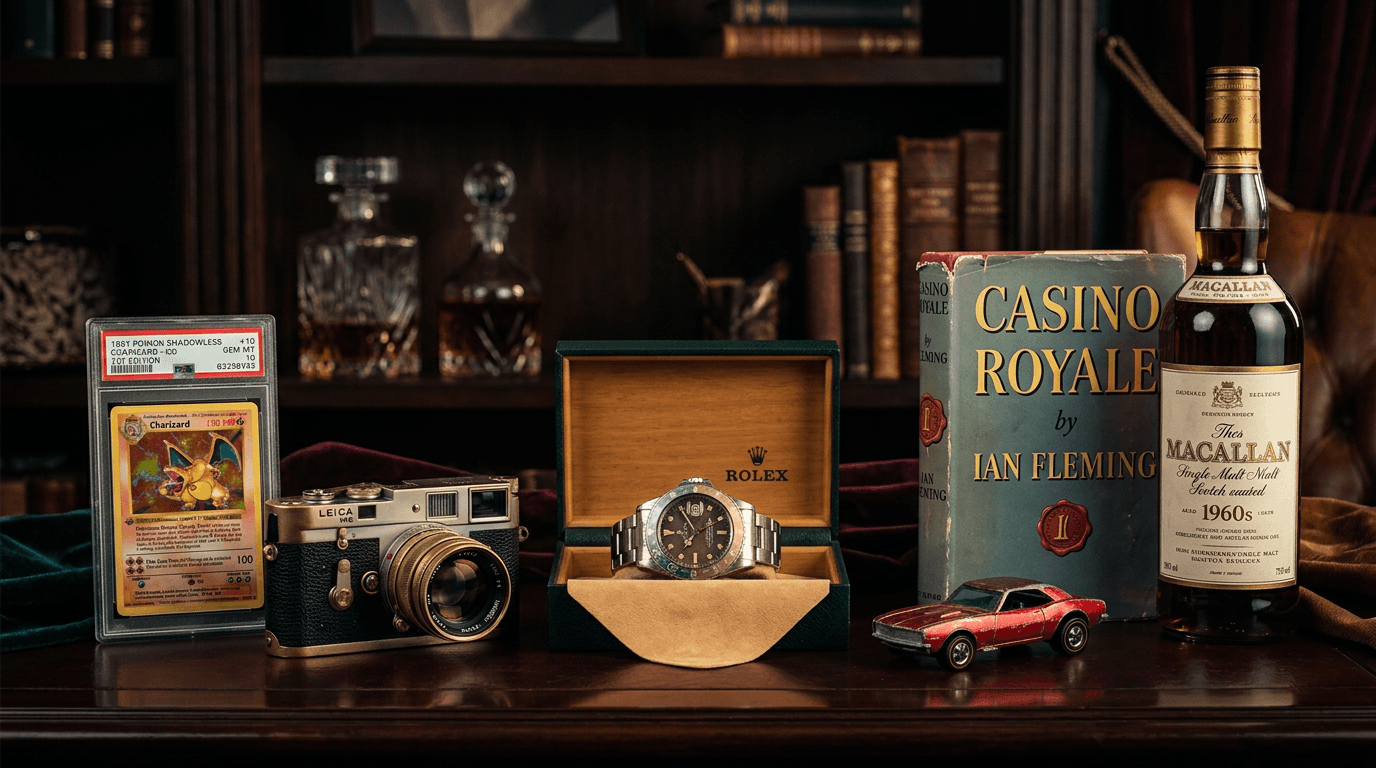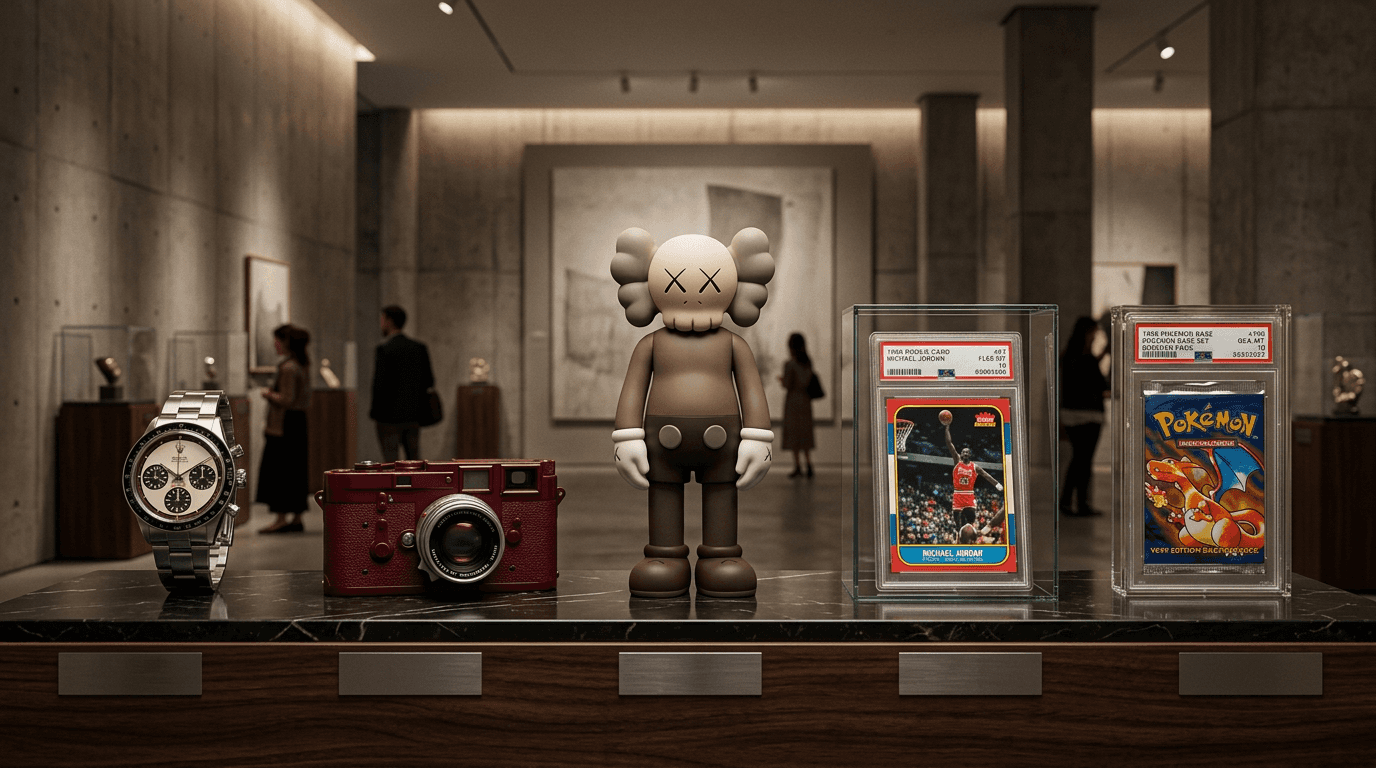
In an era of deepfakes and sophisticated forgeries, provenance is the only real currency. This data doesn't live in the cloud—or at least, not all of it. The most critical information for authenticating and valuing world-class collections is housed in a handful of specialized libraries and archives. These are the "black boxes" of the collecting world, preserving the factory ledgers, auction catalogs, and historical advertisements that turn a rumor into a record-breaking sale.
Here are the institutions that define the standard for research and preservation.
The Watchmaker’s Ledger: The Patek Philippe Archives
While many brands offer "Extracts from the Archives," Patek Philippe’s documentation is the gold standard of horological record-keeping. Their archives in Geneva contain detailed registers for every watch produced by the company since 1839.
For a collector, these ledgers are the ultimate arbiter. They record the movement number, caliber, case number, dial type, and the date of sale. When a "missing" reference appears at Phillips or Christie’s, the first call is to these archives. Without this paper verification, a million-dollar watch can lose 90% of its value instantly. It is the definitive bridge between a mechanical object and its historical soul.
The Racing Registry: The Revs Institute
For the automotive enthusiast, the Revs Institute in Naples, Florida, represents the pinnacle of documentary preservation. Beyond their world-class car collection, the Miles Collier Collections include over one million historical photographs, factory service manuals, and racing programs.
Why does this matter? Because classic cars are often "rebodied" or modified over decades. The Revs Institute’s archives allow researchers to track a specific chassis through its racing career, verifying if a car actually competed at Le Mans in 1967 or if it was merely painted to look like it did. In the vintage Ferrari or Porsche market, a single period photograph found in an archive can be the difference between a "tribute" and a blue-chip investment.
The Art World’s Memory: The Frick Art Reference Library
Founded in 1920, the Frick Art Reference Library in New York is one of the world's leading institutions for the study of art history. Its most potent tool is the Photoarchive, containing over 1.2 million images of works of art, many accompanied by a detailed history of ownership (provenance) and exhibition records.
For the art collector, the Frick is where you go to prove a work wasn't looted during WWII or to find the original auction catalog from 1880 that mentions your painting. It provides the "chain of custody" that insurance carriers and tax authorities demand for high-value assets.
The Paper Fortress: The Grolier Club
Located in a townhouse on New York’s Upper East Side, The Grolier Club is America’s oldest society for bibliophiles. Their library is an essential stop for anyone serious about rare books, manuscripts, and the history of printing.
Crucially, they house a massive collection of book dealer and auction catalogs dating back centuries. If you are trying to determine if a First Folio is complete or if a map was tipped-in at a later date, the Grolier’s resources offer the comparative data necessary to make a clinical assessment.
Why the Paper Matters to You
You might not spend your weekends in a white-glove reading room in Geneva or Manhattan, but the work done in these institutions dictates the market value of your collection.
Expertise is not intuitive; it is researched. When you use a white-glove concierge service or consult a specialist, they are drawing on the institutional knowledge preserved in these libraries.
At WAX Collect, we advocate for the "Archive Mindset." Collecting isn't just about acquisition; it’s about stewardship. By utilizing our free digital tools to catalog your own receipts, certificates of authenticity, and service records, you are creating a micro-archive for your own assets.
Data-driven collecting is the only way to mitigate risk. Whether it’s a vintage Rolex or a rare comic book, the value lies in the intersection of the physical object and its documented history. If you can’t prove what it is, where it came from, and who owned it, you don’t own a luxury asset—you own an expensive question mark.