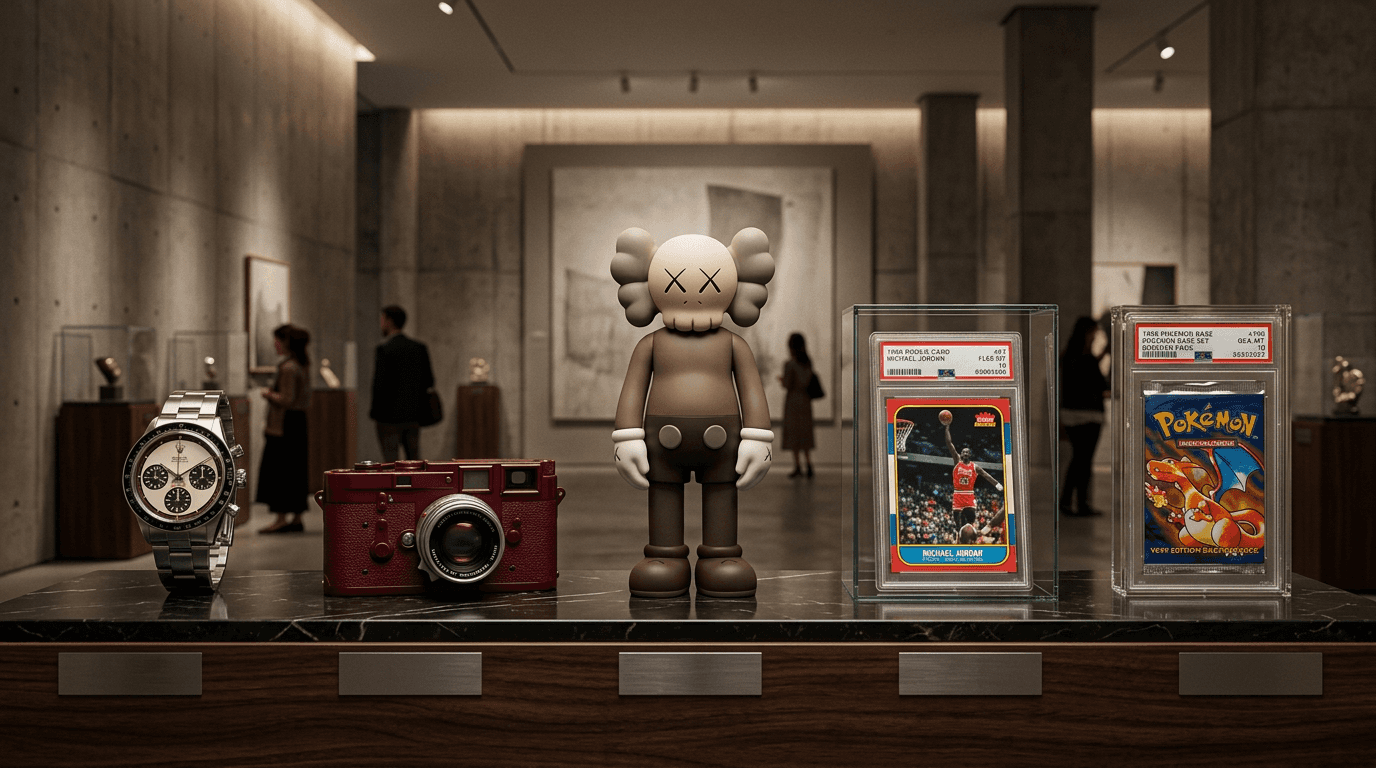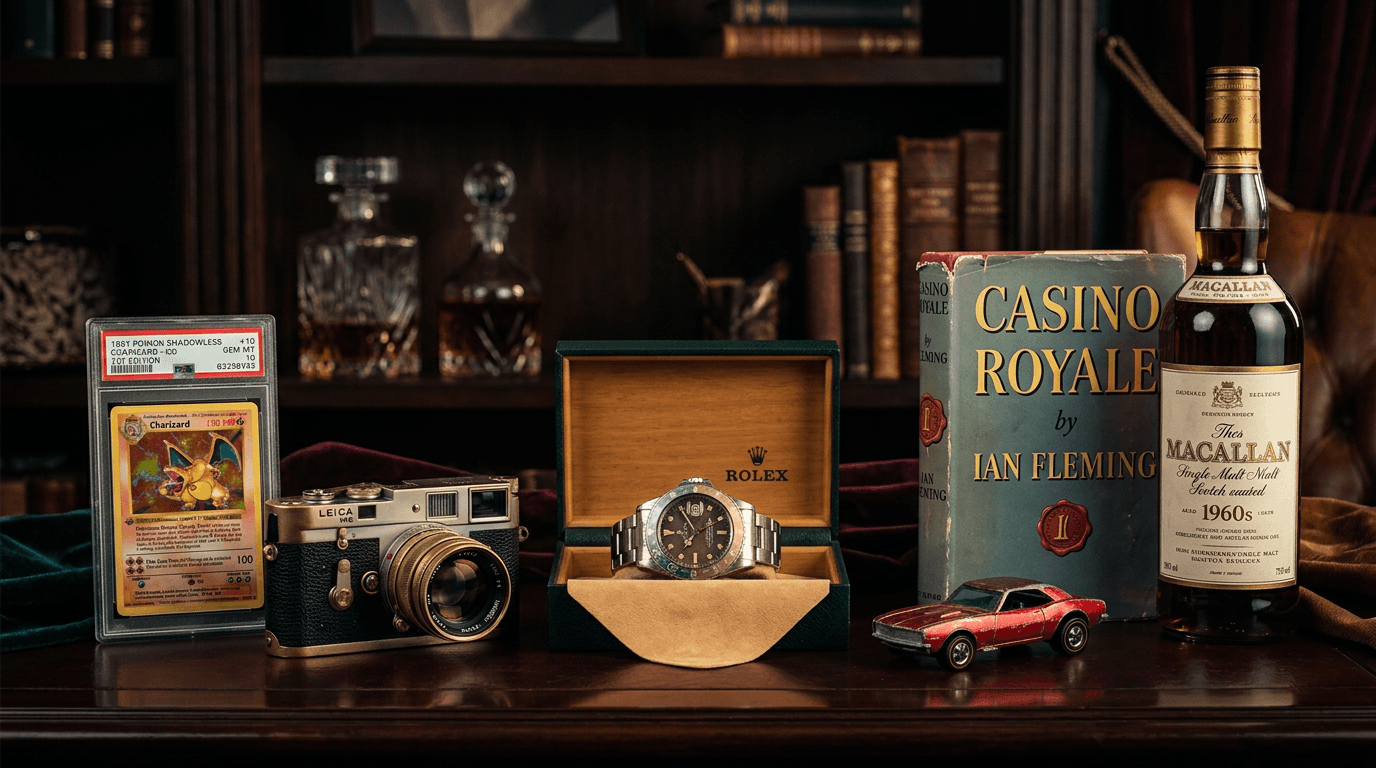

We often speak about the "intent" of the maker—the genius of a watch designer or the vision of a card illustrator. Yet, some of the most storied assets in the WAX ecosystem owe their legendary status not to a stroke of brilliance, but to a logistics manager’s Tuesday afternoon headache. A change in ink, a switch in leather suppliers, or a batch of paint that didn't quite behave—these are the "accidents" that turn commodities into grails.
The Tropical Dial: A Failure of Chemistry
In the horological world, the "Tropical" dial is perhaps the greatest example of a manufacturing flaw turned into a status symbol. During the mid-20th century, certain Swiss manufacturers—most notably Rolex and Omega—used a chemical finish on their dials intended to protect them from UV damage and moisture.
However, a specific batch of zapon lacquer from a particular supplier didn't react well to sunlight. Instead of remaining a deep, stark black, the dials began to oxidize, shifting into a rich, chocolatey brown. At the time, this was a defect. Customers could have arguably returned them for a replacement. But today, the psychology of the collector has flipped the script. We don't see a failed coating; we see a unique, organic patina that proves the watch has lived a life. A "Tropical" Speedmaster or Submariner can command a 50% to 100% premium over its "perfect" counterpart simply because a chemical bond failed fifty years ago.
The T206 Wagner: A Printing Pivot
The most famous baseball card in existence, the T206 Honus Wagner, is often cited for its scarcity due to Wagner’s disapproval of tobacco. But looking deeper into the manufacturing of the era, the story of "errors and variations" is really a story of the American Lithographic Company’s production line.
Early 20th-century card production was a chaotic dance of multi-color printing presses and stone lithography. When a supplier changed the weight of the cardstock or a printer adjusted the registration of the ink, they weren't trying to create a rarity; they were trying to keep the machines running. Collectors today obsess over "Piedmont" vs. "Sweet Caporal" backs—distinctions that were merely different advertising contracts for the same factory line. We are essentially collecting the remnants of a 1909 distribution schedule.
Why the "Glitch" Matters to the Soul
Why do we care? Why does a change in the grain of leather on a 1950s Hermès bag or the "Pink" vs. "White" paper stock in a Silver Age comic book drive market prices into the stratosphere?
It comes down to the human desire for the "one of one." In a world of mass production, these manufacturing pivots introduce a layer of biological-like mutation into inanimate objects. It breaks the monotony of the assembly line. For the serious collector, these variations represent a tangible link to a specific moment in time—a day when the factory ran out of the standard blue ink and had to pivot to a slightly darker shade.
For the enthusiast, these quirks are the "secret handshakes" of the hobby. Knowing the difference between a "Flat 4" bezel on a Rolex Kermit and the standard version isn't just about price; it’s about demonstrating a depth of knowledge and a connection to the manufacturing history of the brand.
Protecting the Pivot
Because these variations are often subtle—a shade of ink, a texture of steel, a specific chemical reaction—authenticating and safeguarding them requires more than just a locked drawer. These are assets where the value is tied directly to their physical condition and the nuances of their "flaws."
This is where the WAX Collect philosophy bridges the gap between passion and pragmatism. Whether you’re cataloging a rare "No Name" 1990 Topps Frank Thomas or a "Long E" Rolex GMT, our platform allows you to document these hyper-specific details through our free collection management tools. When you’re dealing with assets whose value is derived from a manufacturing anomaly, having high-resolution documentation and expert-backed insurance isn't just a safety net—it’s a requirement for maintaining the asset's legacy.
We don’t just protect the object; we protect the story of how it came to be. Because sometimes, the most valuable thing a manufacturer ever did was get it "wrong."