In the world of high-value collecting, we often obsess over “The Three Cs”: Condition, Composition, and Carats. We track auction results like hawks and debate the merits of a “Tropical” dial versus a pristine one. But there is a fourth "C" we rarely discuss until it’s too late: Craft.
Right now, the luxury industry is facing a quiet, simmering crisis. It isn’t a lack of demand or a dip in the market—it’s a talent problem. We are running out of the people who make, maintain, and restore the things we love.
The Great Retirement of the Specialists
Whether you collect vintage Gibson guitars, Hermès Birkins, or intricate complication watches, your collection relies on a fragile ecosystem of specialists. Currently, that ecosystem is aging out.
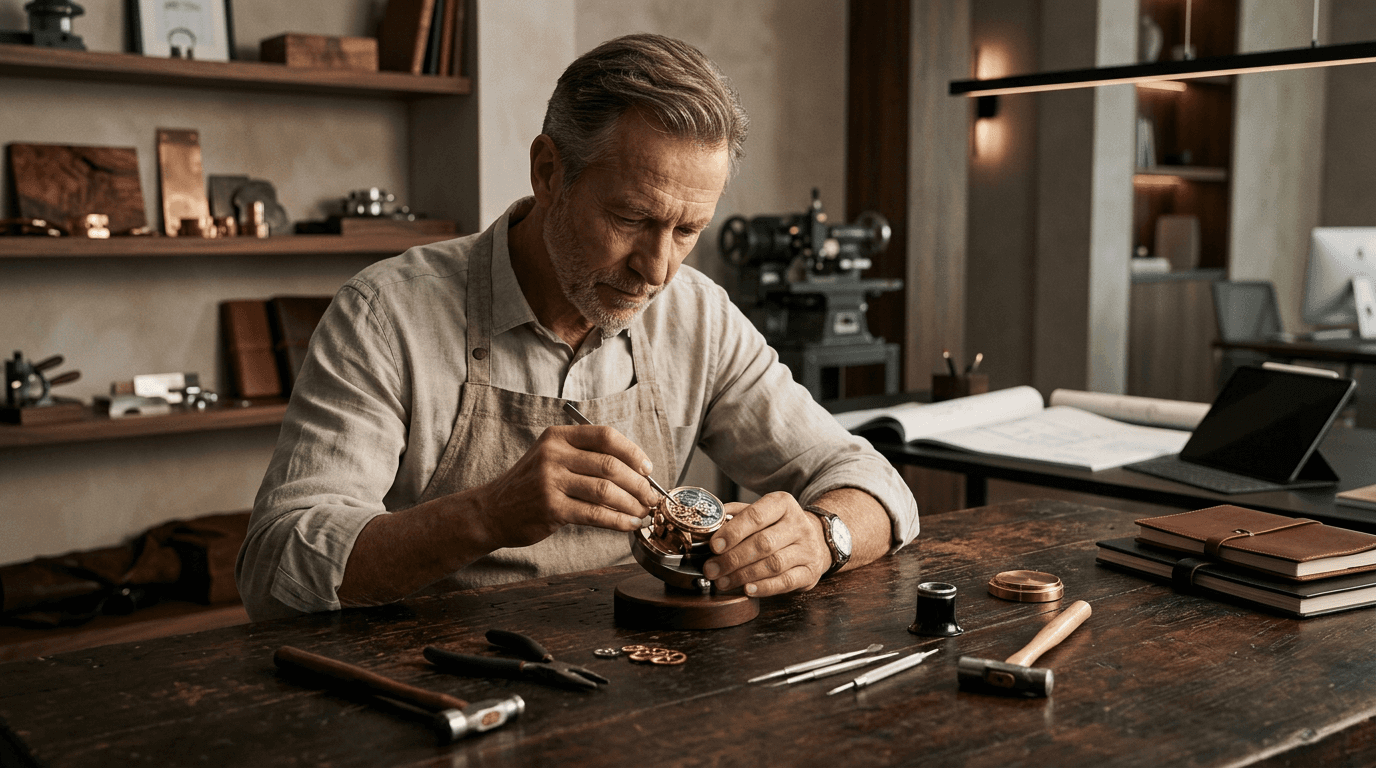
In the horological world, the Federation of the Swiss Watch Industry has been sounding the alarm for years. As a generation of master watchmakers approaches retirement, the pipeline of new talent isn't quite keeping pace. It takes decades to master the "touch" required to service a hairspring or polish a bevel to a mirror finish. You can’t learn that from a YouTube tutorial; it’s a physical language passed from master to apprentice.
The story is the same in the leather goods sector. A hand-stitched saddle or a bespoke trunk requires a level of dexterity and patience that is increasingly rare in a world obsessed with digital speed. Even in the world of fine stringed instruments, the luthiers who understand the specific resonance of 300-year-old Spruce are becoming a "protected species."
Why This Matters to You
You might ask, "Angel, why should I care about the labor market if I just bought a beautiful new piece?"
The answer is simple: Value is tied to viability.
If you own a rare vintage Ferrari but can’t find a mechanic who understands how to tune its Weber carburetors, that car becomes a very expensive lawn ornament. If your favorite vintage handbag suffers a catastrophic tear and there are no artisans left who can perform a period-correct invisible stitch, your investment takes a massive hit.
A shortage of skilled labor leads to three things collectors hate:
Ballooning Lead Times: Standard services that used to take six weeks are now taking six months (or more).
Skyrocketing Costs: As the supply of talent drops, the price of maintenance rises.
Risk of Low-Quality Work: When the "vets" are overbooked, less experienced hands may step in, potentially harming the long-term value of your asset.
The Shift Toward Heritage Preservation
Fortunately, the tide is beginning to turn. Major houses—LVMH, Richemont, and Chanel—are investing heavily in vocational schools. They’ve realized that their brand equity isn't just in their logos; it’s in the savoir-faire of their workshops.
As collectors, we have a role to play, too. We need to view restoration and maintenance not as a chore, but as an essential part of the asset’s lifecycle. We should be asking: Who is the best person to touch this piece? Does this restorer understand the historical context of the materials?
Protecting the Work
At WAX Collect, we spend a lot of time talking about digital tools and insurance policies, but at our core, we are fans of the craft. Our mission is to help you protect what you love, and that includes the human stories woven into your items.
This is why we offer more than just a place to log your inventory. Our white-glove concierge service is designed to connect you with the right specialists—the ones who still value the "slow way" of doing things. Whether you need an appraisal for a rare coin or advice on finding a luthier for a vintage cello, our team is embedded in these cultures. We know who still has the magic in their fingers.
The Bottom Line
A luxury asset is only as good as the care it receives. As the pool of master craftspeople shrinks, the value of those who remain—and the items they maintain—will only go up.
My advice? Don’t wait for something to break. Catalog your collection today using our free management tools, and start building relationships with the artisans who support your niche. Because in a world of mass production, the most valuable thing you can own is something that was cared for by a human hand.