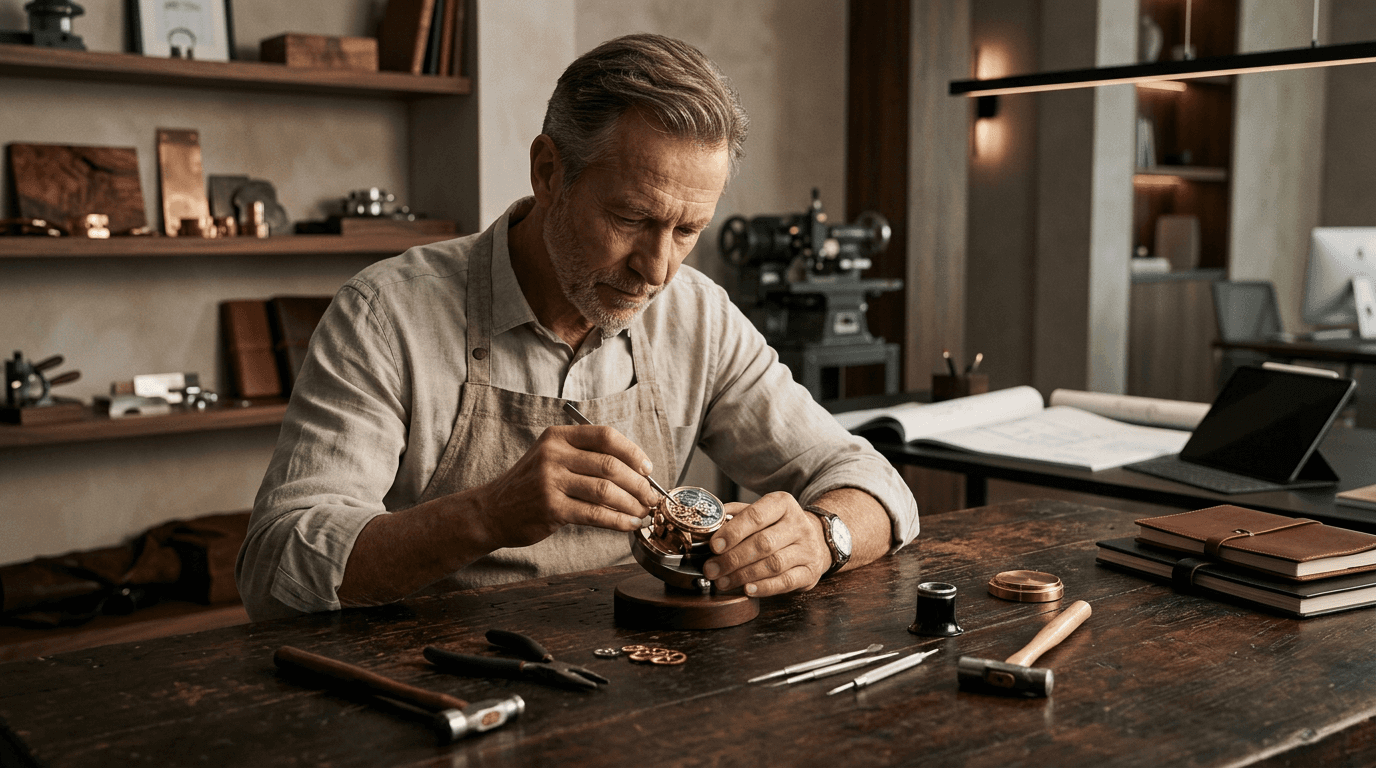
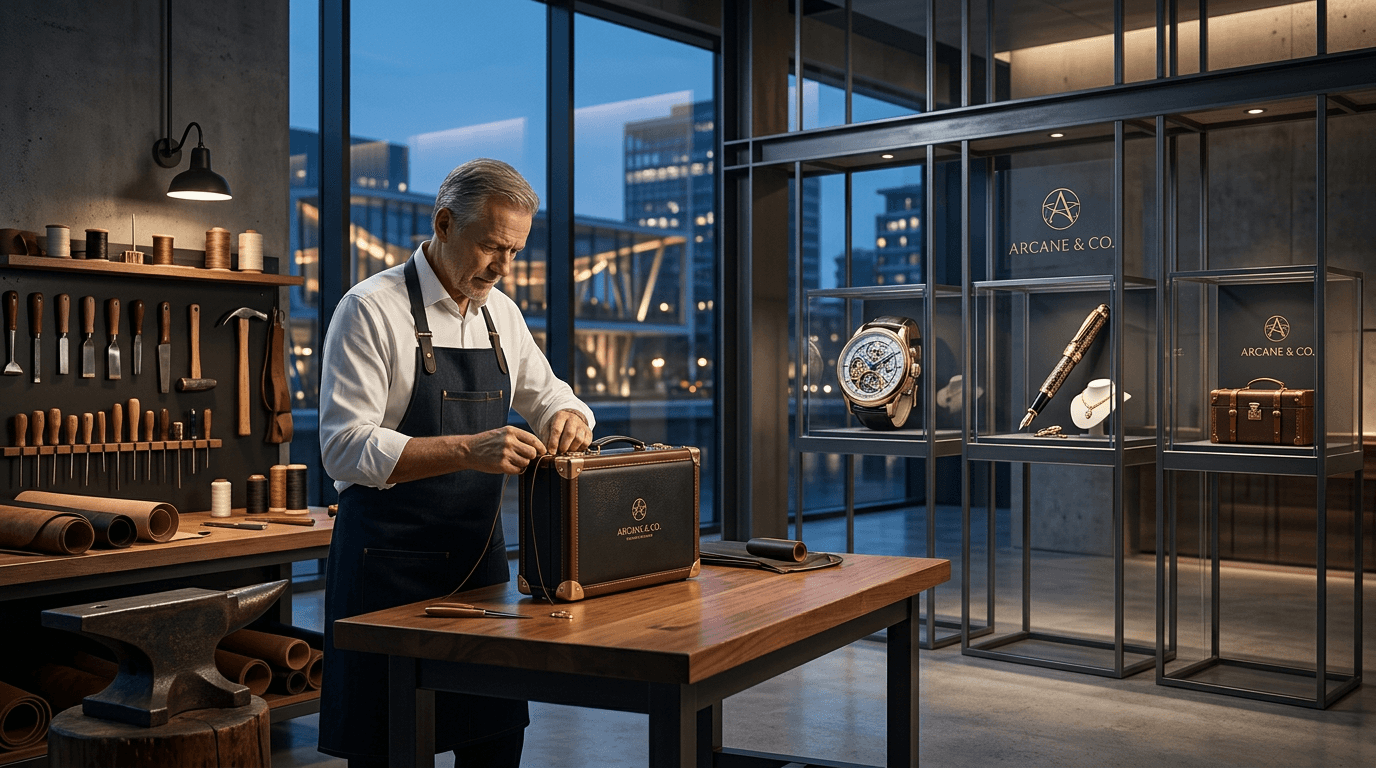
But recently, the wind has shifted. From the Swiss valleys to the cobblestones of Florence, the world’s most prestigious marques are heading back to where they started. They aren’t just preserving these historic workshops; they are reopening them as the beating hearts of their modern heritage strategies.
To the casual observer, it’s a charming nod to the past. To the serious collector, it’s a fundamental shift in how value is being protected and perceived in a volatile market.
The Return to the Source
Take, for instance, the recent investments by horological heavyweights in the Vallée de Joux. We are seeing brands reclaim the very farmhouses where their founders sat by candlelight. They are painstakingly restoring original workbenches and hunting down the specific, obsolete tools used to hand-finish movements in the 19th century.
Similarly, in the world of automotive excellence, brands like Aston Martin and Ferrari have invested heavily in "Classiche" departments housed in original factory buildings. These aren't just museums; they are functioning workshops where a 1960s chassis can be repaired using the same wooden bucks and hammers that shaped it sixty years ago.
Why spend millions to work in a drafty old building when a laser-guided robotic arm can do the job in a climate-controlled warehouse? Because in the luxury world, provenance is the ultimate currency.
The "Restoration Economy"
We are entering what I like to call the Restoration Economy. Today’s collector is no longer satisfied with just "new." They are looking for "forever." By reopening these historic sites, brands are signaling to the market that they are the sole guardians of their own history.
When a brand restores its original workshop, it creates a closed-loop ecosystem for your investment. If you own a vintage timepiece or a classic handbag, and the brand can service it in the very room it was birthed, using lineage-correct techniques, the value of that asset doesn't just hold—it compounds.
This matters because, as we've seen at recent auctions at Sotheby's and Phillips, the highest premiums are consistently paid for items with "Manufacturer Certification." By reopening these workshops, brands are ensuring they remain the final word on authenticity.
Why This Matters to You
Whether you are a budding collector with your first vintage Rolex or a seasoned veteran with a climate-controlled garage full of Italian steel, this trend serves as a vital market signal.
Longevity is the New Luxury: Brands investing in their own past are brands that intend to be here in another hundred years. This provides a "safety floor" for the value of your collection.
The Shift Toward Artisanal over Industrial: As AI and automation become the norm, the "human touch" of a historic workshop becomes a scarcity. Scarcity, as every collector knows, drives price.
Authentication is Getting Harder: With high-quality "super-clones" flooding the market, the brand’s ability to verify an item using historic archives and original machinery is your best defense against fraud.
Protecting Your Own Heritage
It’s joyful to see these old buildings lit up at night again, filled with craftsmen who treat their work as a calling rather than a job. It reminds us why we started collecting in the first place—to hold a piece of history in our hands.
However, as brands look backward to secure their legacy, you must look forward to secure yours. As these historic workshops drive the market prices of vintage assets higher, your insurance and cataloging needs change. A valuation from three years ago might not reflect the "Heritage Premium" we are seeing today.
At WAX Collect, we’re as obsessed with these stories as you are. Our platform is designed to help you stay ahead of these market shifts. Whether it's using our free collection management tools to track the appreciating value of your "Classiche" certified assets or leaning on our white-glove concierge to find a specialist who understands the nuance of a workshop-restored piece, we're here to make sure your passion is protected.
The workshops are back open. The artisans are at their benches. There has never been a better time to be a collector—provided you have the right tools to safeguard the journey.