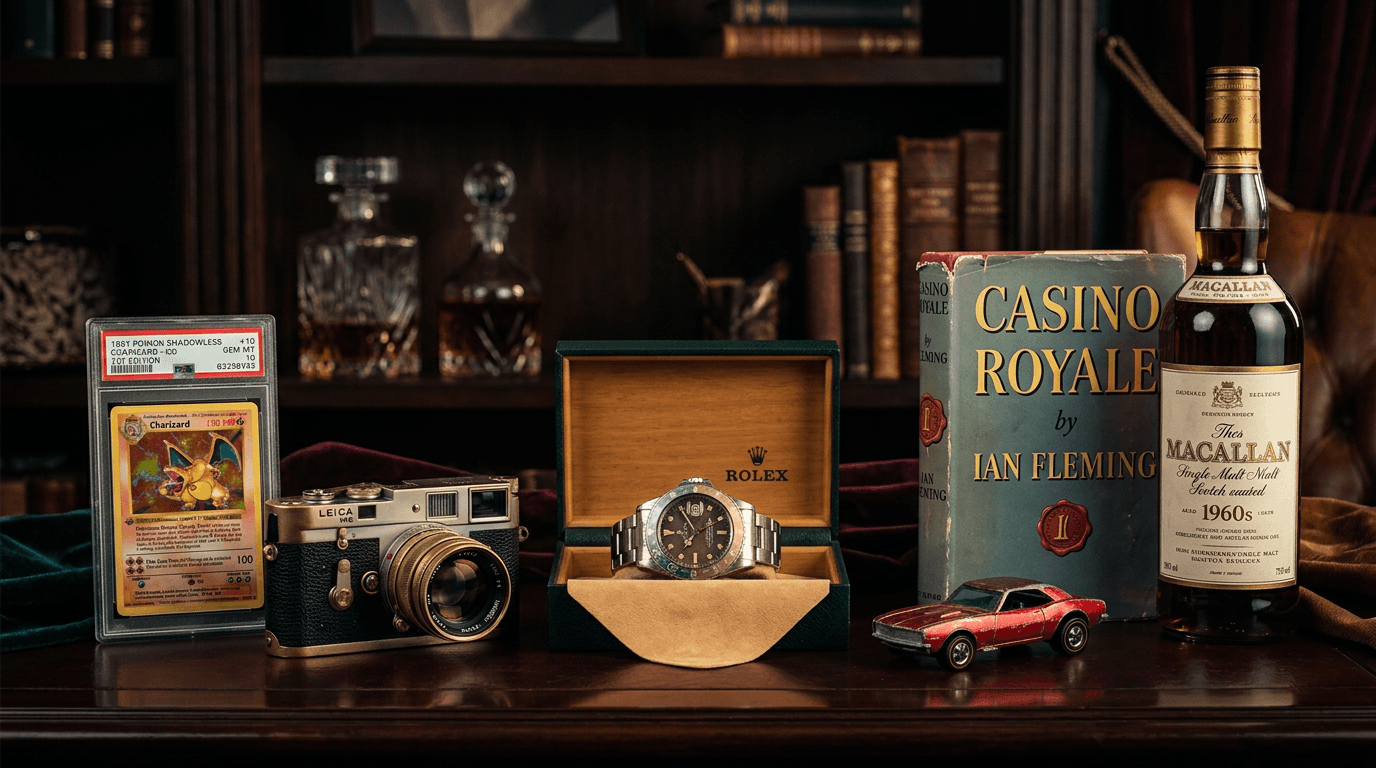
Then the internet happened. And I don’t just mean eBay or Instagram. I mean the total, irreversible flattening of the cultural landscape.
Today, "regional taste" is an endangered species. We are living through the Globalization of Taste—a phenomenon where a 24-year-old in Seoul, a hedge-funder in Greenwich, and a creative director in Paris are all chasing the exact same Ken Griffey Jr. Upper Deck Rookie card or the same discontinued Audemars Piguet reference. The digital campfire has brought us all together, but it’s also made the flames of competition significantly hotter.
The Algorithm as the New Curator
The democratization of information is a double-edged sword. On one hand, the barrier to entry for a "serious" collector has never been lower. You no longer need to spend decades apprenticing under a dusty dealer in a tweed jacket to understand market nuances. You have Discord, specialized forums, and real-time pricing data at your fingertips.
But this transparency has created a global monolith of desire. When a specific comic book or a rare coin becomes "the thing" on social media, the demand is no longer local—it’s planetary. The "hidden gems" have been indexed, tagged, and auctioned off to the highest bidder in Mumbai or Munich.
We’ve moved from a world of "What can I find at the local flea market?" to "What is the global consensus on value?" This shift matters because it has fundamentally changed the volatility of the market. When the whole world decides they want the same thing at the same time, price curves look less like hills and more like the Burj Khalifa.
The Rise of the Trans-Categorical Collector
Perhaps the most fascinating byproduct of this global interconnectedness is the breakdown of the "silo." In the old world, you were a "Coin Guy" or a "Car Guy." You stayed in your lane.
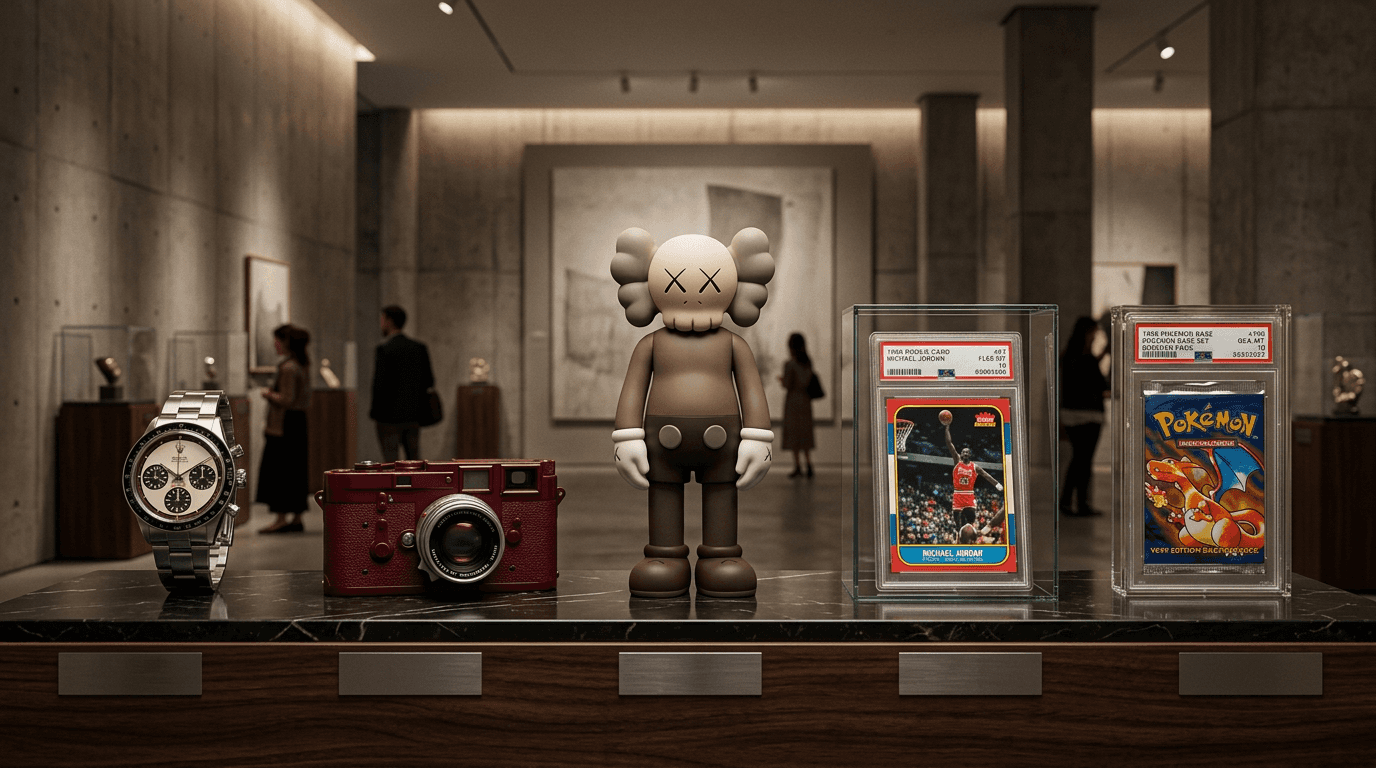
The modern global collector is far more fluid. They view their collection as a holistic portfolio of passion and equity. They treat a T206 Honus Wagner with the same reverence—and financial scrutiny—as a Basquiat or a bottle of '45 Romanée-Conti. This "lifestyle collecting" is a direct result of a global culture that prizes curation over mere acquisition.
At WAX Collect, we see this evolution every day. Our members aren’t just cataloging one type of asset; they’re managing ecosystems. They might have a quiver of vintage surfboards leaning against a wall featuring KAWS prints, with a safe full of "Neo-vintage" watches and high-grade Pokémon cards. The internet didn’t just bridge the gap between Tokyo and New York; it bridged the gap between the art gallery and the hobby shop.
Why This Matters for Your Strategy
If you’re a budding enthusiast, this globalization is your greatest asset. You have access to a world of inventory your parents couldn't have dreamed of. But for the serious collector, it’s a warning: the competition is no longer the guy across the street. It’s everyone.
In a world where taste is global, the only way to stay ahead is through better data and better protection. You need to know—in real-time—what your assets are worth in a shifting global market. This is why we built the WAX Collect management system. It’s a free tool designed to give you the same bird’s-eye view of your holdings that a multinational bank has over its treasury.
Because when your regional edge disappears, your only advantage is organization and speed.
The Human Element in a Digital World
Despite the algorithms, collecting remains a deeply human instinct. High-touch service hasn’t gone out of style; it’s actually become more valuable as the market gets noisier. Whether you’re navigating the complexities of insuring a cross-continental shipment of rare comics or seeking a white-glove concierge to verify the provenance of a piece of sports history, the need for human expertise is the one thing the internet hasn't managed to flatten.
We may all be looking at the same screens, but how we protect what we win on those screens is what separates the haves from the have-nots. The globe is smaller than it’s ever been—make sure your collection is big enough to handle it.