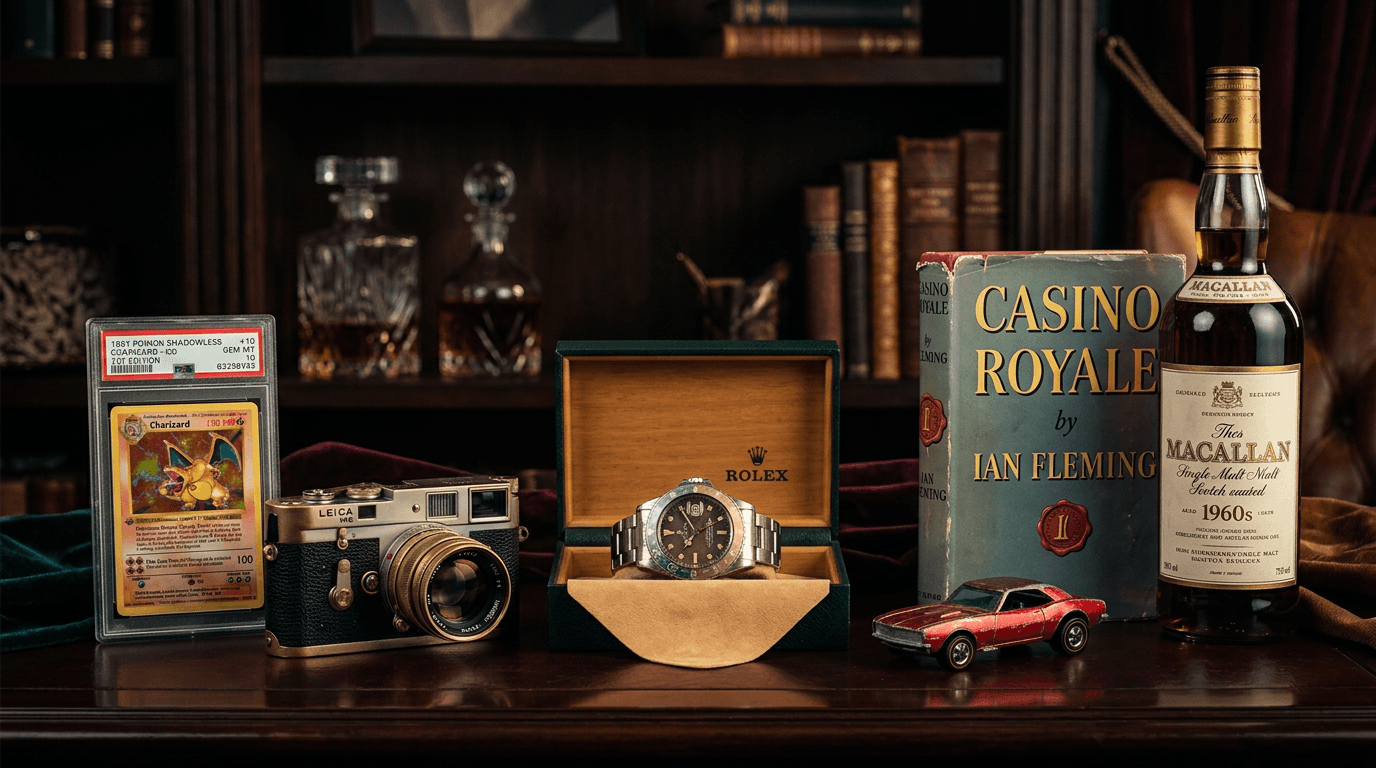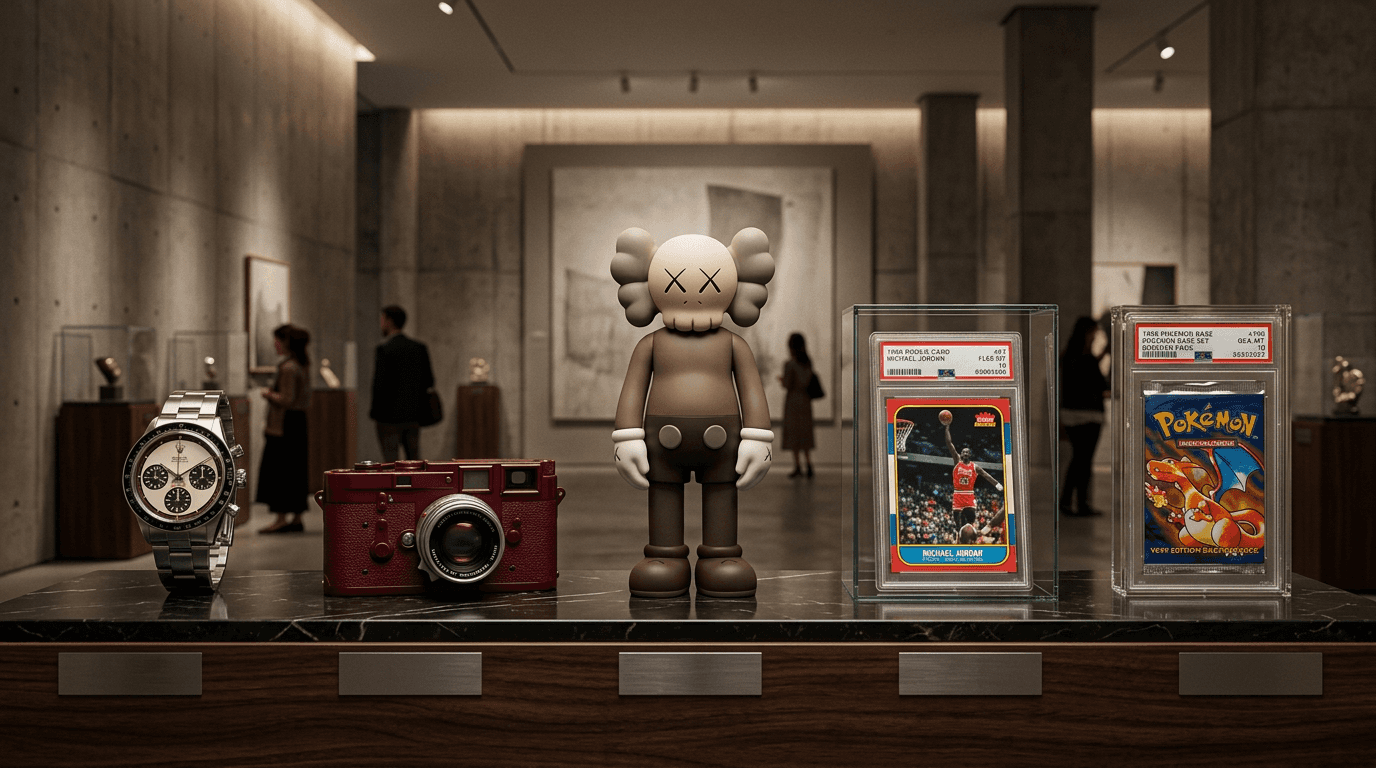
Today, that paradigm has shifted. The provenance of an object is no longer just its paper trail; it is the digital narrative woven around it. From the vintage Porsche enthusiast filming cold starts for YouTube to the Pokémon card specialist hosting live-streamed "breaks," the collector has evolved. They are no longer just accumulators of history; they are its primary broadcasters.
The Death of the Gatekeeper
The migration from private ownership to public content creation is driven by a fundamental shift in how we value expertise. Historically, "authority" in the collectibles world was top-down. You looked to the auction house specialists, the institutional curators, or the blue-chip dealers for the narrative.
But the internet democratized the "inner circle." A collector who has spent twenty years obsessing over transitional references of the Rolex GMT-Master likely knows more about the nuances of dial patina than a generalist at a regional auction house. When these collectors began sharing their granular knowledge on Instagram, Substacks, and podcasts, they didn't just find an audience—they created a community.
For the enthusiast, this matters because it provides a map through the minefield. Collectibles—whether we are talking about blue-chip sports cards or pre-war coins—are high-stakes markets rife with asymmetry. By becoming content creators, collectors are acting as decentralized educators, lowering the barrier to entry for the next generation while insulating the market against misinformation.
The Value of the "Digital Sandbox"
Why does a serious collector take the time to light a studio set or edit a 10-minute video? It isn't just about "clout."
In the modern market, a collection’s value is increasingly tied to its visibility and the "story" the owner tells. A T206 Honus Wagner is legendary because of the history we’ve all been taught; when a modern collector documents their journey of acquiring a rare piece of memorabilia, they are effectively building equity in that asset’s story. They are creating a digital record that enhances the object’s allure.
Furthermore, content creation serves as a sophisticated networking tool. In the world of high-value assets, the best pieces often trade off-market ("grey market" or private treaty). By positioning themselves as influencers or media personalities, collectors signal their liquidity and their passion to other owners. Your YouTube channel or your high-production-value Instagram feed becomes a 24/7 "Wanted" sign that attracts the very assets you’re looking for.
The Responsibility of the Platform
This shift toward the "Collector-Creator" model brings with it a unique set of challenges. As your profile grows, so does the complexity of managing what you own. When your collection moves from a private hobby to a public-facing brand, the administrative burden—insurance, cataloging, and market-valuation—becomes a logistical hurdle.
This is where the psychology of the modern collector meets the necessity of modern tools. At WAX Collect, we’ve watched this evolution closely. If you are spending your weekend filming a deep-dive on 1960s comic books, you shouldn't be spending your Monday morning wrestling with spreadsheets or antiquated insurance policies.
Our free collection management system was designed for this exact era: a digital-first platform where you can organize, track, and protect your assets as quickly as you can post about them. Whether you need a white-glove concierge to help value a burgeoning sports card portfolio or a carrier-agnostic insurance policy that understands real-time market fluctuations, the goal is to let the collector focus on the culture, not the paperwork.
Why This Matters for the Future
For the budding collector, the rise of the content-creating peer means that mentorship is now available at the tap of a screen. For the serious collector, it means their legacy is no longer tied solely to the eventual sale of their items, but to the education they’ve provided the community.
We are living in the age of the "Personal Museum." The walls are digital, the visitors are global, and the curator is you. As the line between "collecting" and "publishing" continues to blur, the winners will be those who not only own the rarest pieces but who share the most compelling reasons why they matter.
After all, a collectible is just an object until someone tells its story.