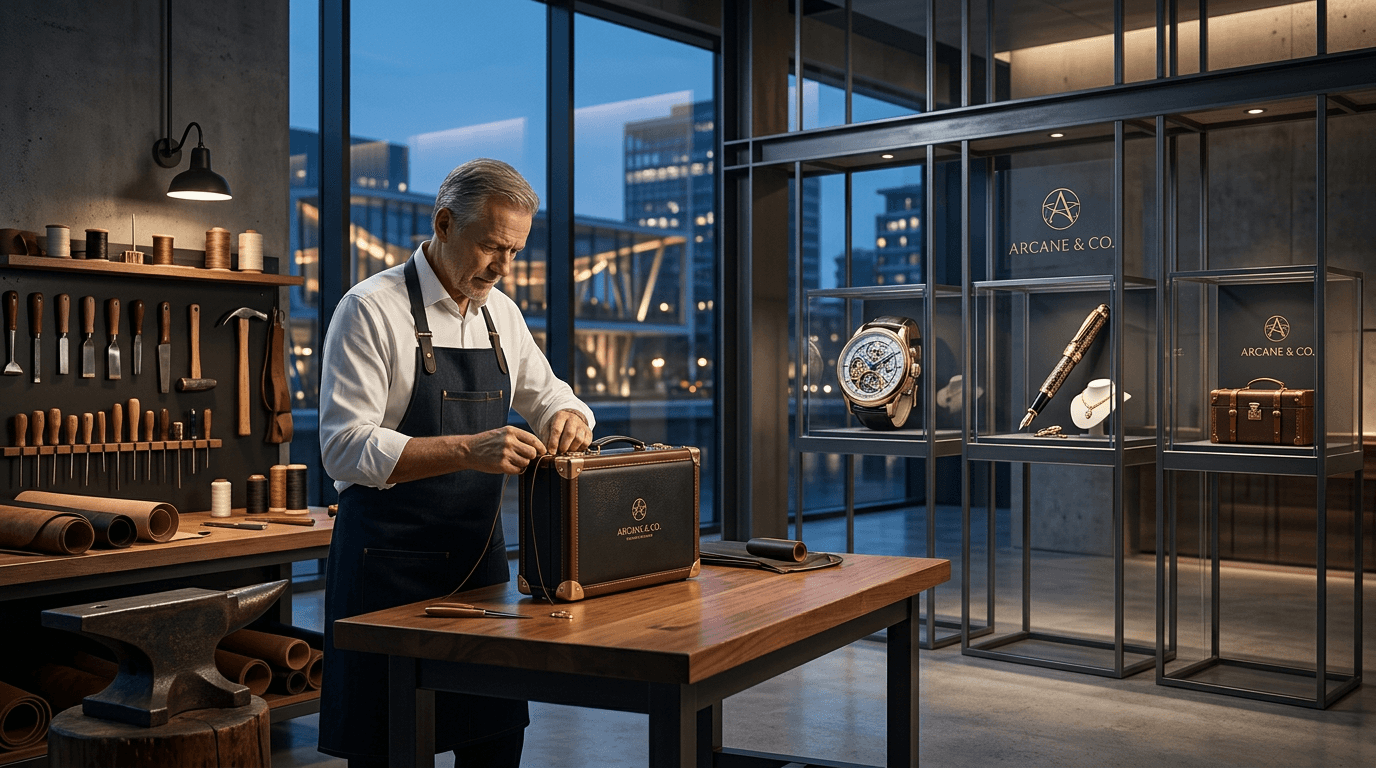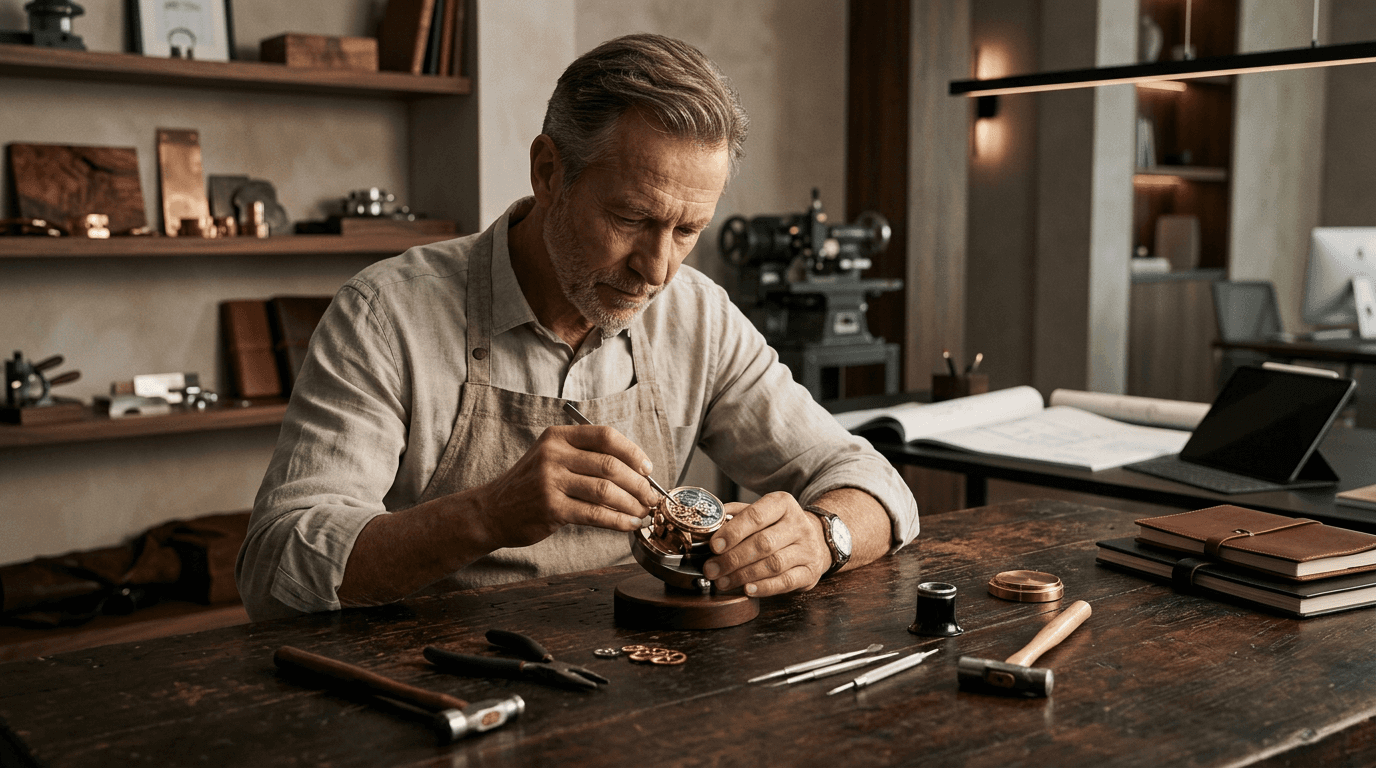

The answer isn't a marketing conspiracy or a ploy to drive up secondary market prices. The truth is much more human, much more nostalgic, and frankly, much more permanent. The bottleneck isn't demand—it’s the physical limit of the workbench.
The Myth of the "Scale"
In almost every other sector, success equals scale. If a tech company gains a million users, they spin up more servers. But in the world of luxury assets—whether we are talking about a F.P. Journe timepiece, a Hermès Birkin, or a bespoke Cello—capacity is tethered to a disappearing resource: the master artisan.
We often hear about "manufacturing capacity" and think of assembly lines. But in the high-end collectible market, capacity is measured in heartbeats and steady hands. A master watchmaker takes upwards of a decade to train. You cannot "disrupt" the time it takes to learn how to bevel a bridge to a mirror finish. When a brand like Rolex or Audemars Piguet announces a new facility, they aren't just buying bricks; they are building a school. They are investing in a 20-year cycle of human development.
For the enthusiast, this matters because it guarantees the soul of the object. If these brands doubled production overnight, the very thing that makes the item a "collectible"—its uncompromising execution—would vanish.
Material Constraints and The "Slow" Supply Chain
Beyond the hands that make them, we have to look at the materials themselves. We are living through a period where the sourcing of ethically mined gemstones, high-grade hides, and specific alloys is becoming more complex, not less.
Take, for example, the high-end handbag market. A single "Special Order" bag requires a specific grade of leather that represents the top 1% of 1% of available skins. You cannot manufacture nature. If the rainfall in a specific region of France affects the quality of the hides, the "manufacturing capacity" of a legendary fashion house drops, regardless of how many people are on the waiting list.
This scarcity is baked into the DNA of the object. As a collector, you aren't just waiting for a product; you are waiting for the stars to align—for the right artisan to meet the right material at the right moment.
Why This Matters for Your Portfolio
If you are a serious collector, the lengthening waitlist is actually a signal of long-term health. It represents a commitment to quality over quarterly earnings. However, it also creates a unique risk profile.
When an item takes three years to move from "allocation" to "delivery," the market value often shifts significantly during that wait. I’ve seen collectors finally take delivery of a piece only to realize their insurance coverage—or their understanding of its current replacement value—is years out of date.
This is where we at WAX Collect see the "human" side of the data. Because we offer a free collection management system, we see the joy when a long-awaited piece finally arrives. But we also see the vulnerability. In a market where manufacturing capacity is capped, every single piece is essentially irreplaceable. If something happens to a watch that has a five-year waiting list, a standard insurance check based on the MSRP isn't going to get you back to where you were. You need coverage that understands real-market value, not just the price on the tag.
The Beauty of the Wait
There is something inherently joyful about participating in an economy that refuses to rush. In a world of "buy it now," the waiting list is a reminder that some things still take time to get right.
Whether you are just starting your journey or managing a multi-million dollar portfolio, treat the wait as part of the provenance. Use that time to research, to organize your existing gallery on WAX, and to consult with specialists who can help you navigate the transition from "ordered" to "owned."
The bench isn't moving any faster, and honestly? We should be glad it isn’t. That’s what makes the hunt worth it.