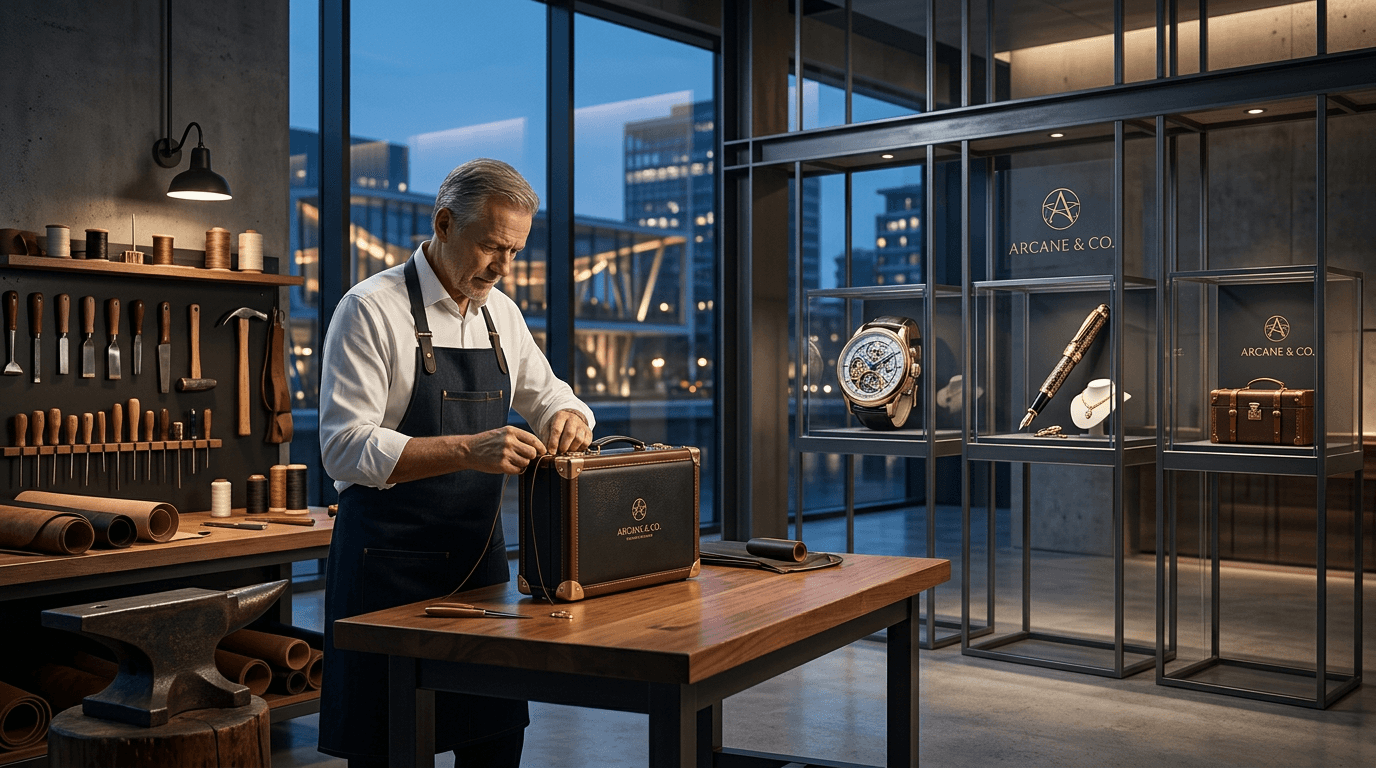
From the specialized watch rooms in Geneva to the booming trading-card desks in Dallas, the auction calendar is no longer a series of isolated events—it’s a continuous, decentralized stream of liquidity. For the modern collector, this shift represents a fundamental change in how value is perceived, captured, and protected.
The New Geopolitics of Passion
As we look at the current October slate, the geographic distribution is striking. In Paris, the focus has sharpened almost exclusively on la mode and heritage. While other cities diversify, Paris has doubled down on its infrastructure for luxury handbags and haute couture, leveraging its proximity to the ateliers of Hermès and Chanel to attract a European and Middle Eastern buying base that views these assets through a lens of cultural preservation.
Contrast this with Dallas, which has quietly become the global epicenter for the "new alternative" assets. This month, major houses there are seeing record volume in sports memorabilia and TCG (Trading Card Games). Why Dallas? It isn’t just geography; it’s the tax climate and a specialized logistical infrastructure designed for the rapid grading and movement of high-volume, high-value paper assets.
Meanwhile, London remains the undisputed sovereign of musical instruments. The specialized knowledge required to vet a 17th-century cello or a stage-played guitar from the British Invasion era requires a specific breed of specialist that the London market has nurtured for centuries.
Infrastructure Over Intuition
What’s driving this hyper-localization? It’s not just where the buyers live—it’s where the trust lives. Auction infrastructure today isn't just about a mahogany podium; it’s about the synergy between physical security, specialized insurance, and digital transparency.
In New York, the October watch sales are no longer just about the "Big Three" brands. We are seeing a massive influx of independent horology. The city’s infrastructure—a dense network of independent watchmakers, high-end couriers, and seasoned litigators—makes it the safest harbor for the complex, often fragile, world of modern indies.
This "Global Grid" means that at any given moment in October 2026, a collector can participate in a high-stakes bidding war in four different time zones, across four different categories. The friction of entry has vanished, but the complexity of management has exploded.
Why This Matters: The Collector’s Burden
For the enthusiast or the serious investor, this distributed calendar is a double-edged sword. On one hand, the market is more liquid than ever. You no longer have to wait for a biannual window to realize the value of a Pokémon Grail or a rare complications timepiece. On the other hand, the "always-on" nature of the market creates a significant administrative and psychological burden.
When your collection is spread across categories that are peaking in different cities at different times, staying informed becomes a full-time job. How do you track the real-time market value of a Birkin in Paris while monitoring the hammer prices of vintage Fender Stratocasters in London?
This is where the distinction between a "buyer" and a "collector" becomes clear. A buyer chases the calendar; a collector manages the asset.
Navigating the Grid with WAX Collect
At WAX Collect, we’ve watched this shift from a seasonal market to a global grid with keen interest. Our philosophy has always been that the joy of collecting shouldn't be buried under the weight of logistics.
As the auction world becomes more fragmented, having a centralized, digital "source of truth" for your assets is no longer a luxury—it’s a necessity. Whether you’re acquiring a rare piece in Dallas or consigning a legacy asset in Geneva, our free collection management tools allow you to catalog, monitor, and instantly update the status of your holdings.
Furthermore, as values fluctuate across these regional hubs, our concierge service provides the cultural and technical fluency needed to ensure your insurance coverage reflects true market reality, not just yesterday's receipt. In a world where the auction clock never stops ticking, we provide the pause button, ensuring your most valued possessions are protected, no matter which corner of the grid they inhabit.
The 365-day auction cycle is here to stay. The question is: are you watching the clock, or are you ahead of it?