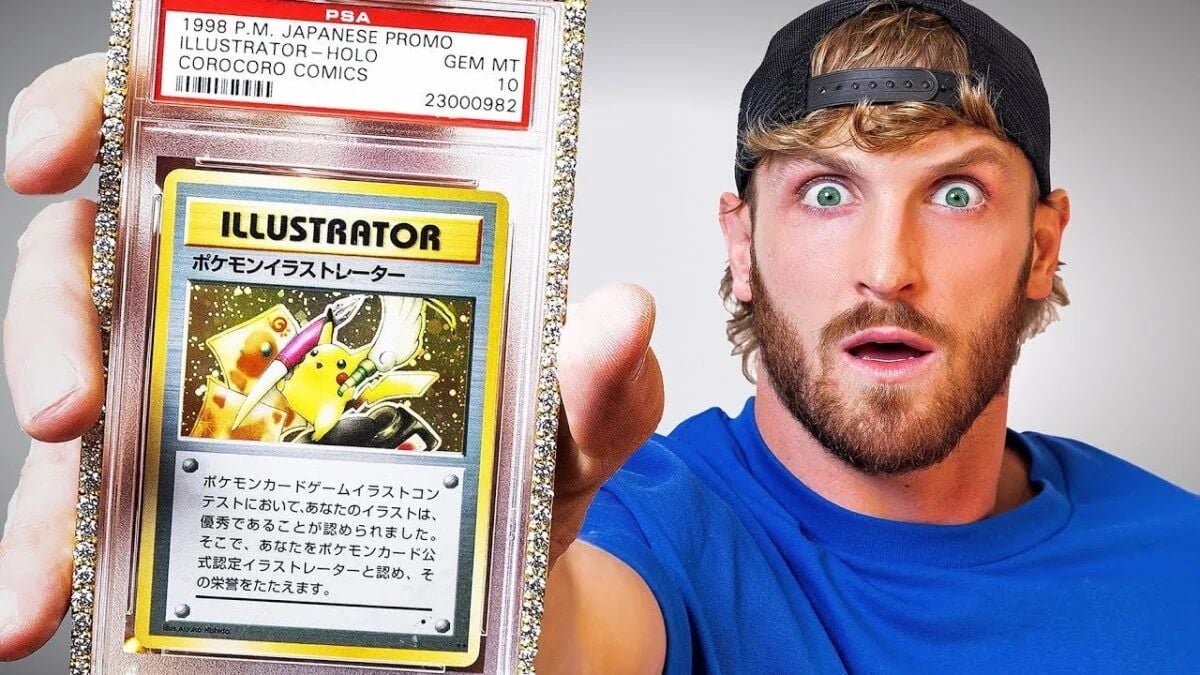

First, a bit of backstory for the uninitiated or those who’ve been living under a rock. The Pikachu Illustrator card is the holy grail of Pokémon collectibles. Issued in 1998 as a prize for a drawing contest in Japan, only 39 were produced, and even fewer have survived in mint condition. It's the Mona Lisa of the Pokémon world, revered by collectors like a fine vintage Bordeaux.
So, what’s driving these astronomical prices? Well, as any savvy collector knows, scarcity is the name of the game. But beyond rarity, the Pokémon card market has been supercharged by a cocktail of nostalgia, celebrity influence, and good old-fashioned investment frenzy. Logan Paul, the YouTuber-turned-wrestler and now purveyor of fine collectibles, has been a high-profile catalyst for this boom. His purchase of the Pikachu Illustrator card has not only cemented it as a blue-chip asset in the collectibles market but also turned it into a cultural phenomenon, sparking debates and dreams alike.
Now, let’s talk numbers, because, after all, data is what separates the collectors from the hoarders. According to eBay's 2022 data, the trading card market saw a 142% increase in sales from the previous year, with Pokémon leading the charge. This surge is not just about nostalgia; it’s a calculated move by investors who recognize the potential returns. Consider this: a 1999 first edition Charizard card, once trading hands for a few hundred bucks, now fetches upwards of $400,000 if graded in pristine condition.
Ah, grading. If you’re going to play in the big leagues, you better know your PSA from your BGS. Grading is the process of evaluating a card’s condition and authenticity, essentially turning that flimsy piece of cardboard into a certified asset. The higher the grade, the heftier the price tag. A card’s grade can make or break its market value, and with the stakes this high, authentication is no longer just an option—it’s a necessity.
As the market evolves, so do the methods and platforms. The digital realm has opened up new avenues, with NFTs and digital collectibles gaining traction. While traditionalists might scoff, the reality is these digital assets are here to stay, offering an alternative for those priced out of the physical card market.
Whether you’re a seasoned collector or a newbie itching to get in on the action, the key is to stay informed and strategic. Keep an eye on market trends, invest in proper grading and storage, and most importantly, trust your instincts. The world of collectibles is as much about passion as it is about profit.
In the end, the sale of the Pikachu Illustrator card isn’t just about a staggering price tag; it’s a testament to the enduring allure of Pokémon and the ever-evolving landscape of collectibles. So, next time you see a pack of cards at the store, remember: there could be a million-dollar masterpiece hiding inside. Now, go forth and catch 'em all—your collection, and your portfolio, might just thank you.