
Sales Data: The Numbers Game
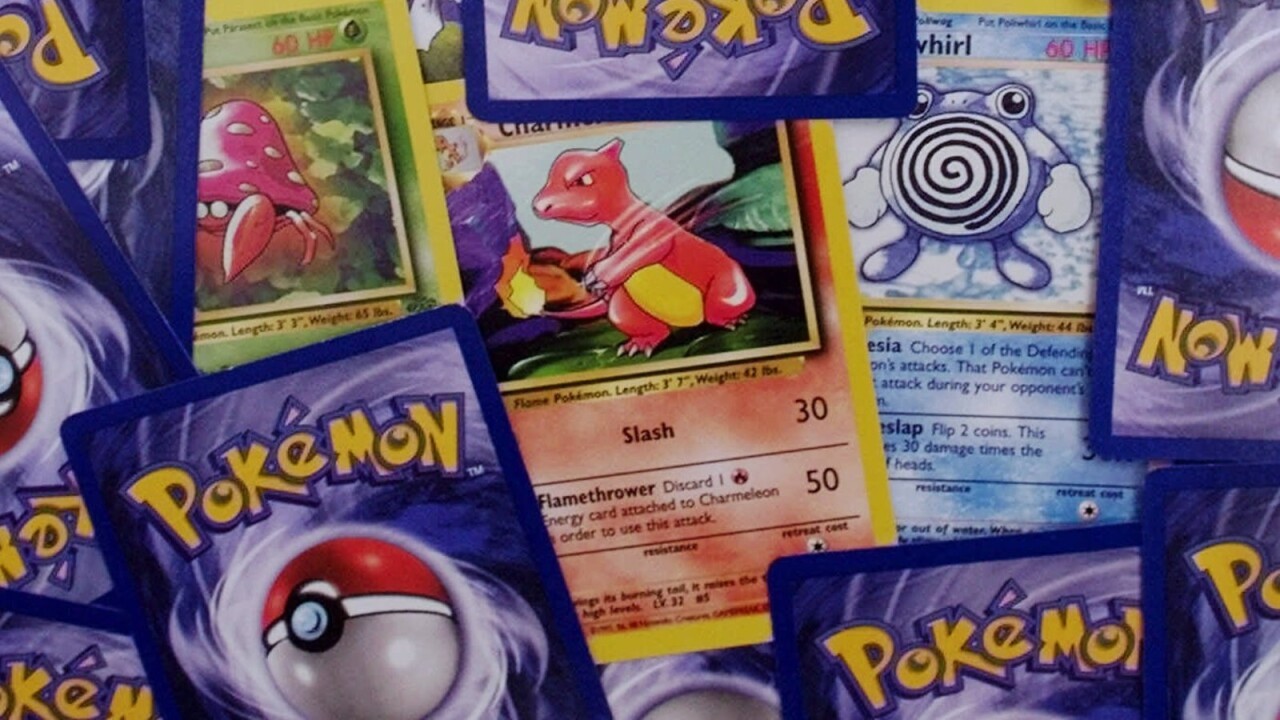
Pokémon cards have seen a meteoric rise in popularity, driven by a nostalgia-infused collector base and savvy investors. According to a recent report by eBay, Pokémon card sales surged by 30% in 2024, a trend that has continued into the first quarter of 2025. This growth is fueled by high-profile auctions, such as a rare Pikachu Illustrator card fetching $6 million in late 2024, underscoring the category's investment potential.
In contrast, the sports card market faces a more nuanced trajectory. While traditional sports cards like baseball and basketball have seen moderate growth, the real action is in niche markets such as soccer and Formula 1. The latter saw a 40% increase in sales last year, hinting at a shifting demographic interested in global sports. Despite this, overall sports card sales have plateaued, growing only 5% in early 2025, largely impacted by fluctuating market interest and economic factors.
Buyer Demographics: Who's Buying What?
The Pokémon card market is dominated by millennials, who now hold significant purchasing power. This demographic is drawn not only by nostalgia but also by the robust return on investment that rare cards offer. A survey by WAX Collect reveals that 60% of Pokémon card buyers are aged between 25 and 40, with a marked interest in graded cards for both collection and investment purposes.
Sports cards, however, attract a more diverse age range. While younger buyers show interest in emerging sports like soccer, older collectors still dominate the baseball and basketball segments. Interestingly, data from the WAX Collect platform indicates a growing interest among Gen Z collectors in digital sports cards, aligning with broader trends toward digital assets.
Key Growth Factors: What’s Fueling the Fire?
For Pokémon cards, the growth is as much about scarcity as it is about demand. The Pokémon Company has strategically limited the release of certain card sets, creating a sense of urgency among collectors. Additionally, the role of influencers and social media cannot be overstated, with platforms like TikTok and YouTube driving interest through unboxing videos and market analyses.
Sports cards, meanwhile, benefit from the global expansion of sports viewership. Major events like the FIFA World Cup and the Formula 1 Grand Prix have introduced millions of new fans to the collectible market. However, the sports card industry faces challenges with counterfeit issues, prompting a surge in demand for authenticated and graded cards. The PSA and Beckett, leading grading services, reported a 25% increase in submissions last year, reflecting collectors' growing emphasis on authenticity.
Market Dynamics: Authentication, Grading, and Storage
Both Pokémon and sports cards are deeply entrenched in the grading ecosystem. For Pokémon cards, a PSA 10 rating can exponentially increase a card's value, making grading a critical step for serious collectors. Similarly, in sports cards, a pristine grade can be the difference between a card selling for hundreds versus thousands of dollars.
Storage remains a critical concern for both markets. Proper storage solutions, such as climate-controlled environments and secure cases, are essential to maintain card condition and value over time.
Conclusion: The Collector’s Dilemma
As we navigate 2025, the choice between Pokémon and sports cards boils down to personal interest, investment strategy, and risk tolerance. For those looking for rapid growth and nostalgia-driven demand, Pokémon cards are appealing. Meanwhile, sports cards offer a more stable, albeit slower, growth trajectory with the potential for niche market spikes.
Ultimately, the decision rests on individual collector behavior, market trends, and the inherent passion that drives this vibrant corner of the alternative investment landscape. As always, informed decisions backed by data are your best bet. Whether you're a seasoned collector or a newcomer.