
Interest Rates and Investment Behavior
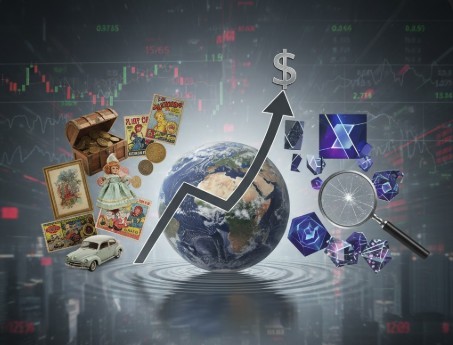
Historically, periods of low interest rates have been a boon for the luxury collectibles market. When traditional investments yield lower returns, investors often seek alternative assets that promise not only financial appreciation but also intrinsic enjoyment. According to a 2023 report by Deloitte, luxury collectibles have increasingly become a refuge for those looking to diversify their portfolios, particularly during low-rate environments. This trend has continued into 2025, with the WAX Collect platform reporting a 15% increase in new collector accounts as investors seek stability outside conventional markets.
However, as global interest rates inch upward—a trend predicted by the International Monetary Fund to continue through 2025—investors may begin to reevaluate their allocations. Higher interest rates typically lead to better returns on bonds and savings, which could draw some capital away from the collectibles market. Yet, the emotional and experiential value of collectibles often cushions this shift. For many, the joy of owning a piece of history or art remains unparalleled, even as economic landscapes change.
Liquidity and Market Dynamics
Liquidity, or the ease with which an asset can be bought or sold, is another critical factor influenced by interest rates. In a low-rate environment, abundant cheap capital creates a bustling market, with more buyers willing to invest in high-value items. The 2024 Art Basel & UBS Global Art Market Report highlighted that art and collectibles sales soared to over $67 billion, with much of this activity driven by favorable borrowing conditions.
Conversely, as rates rise, liquidity can tighten. Potential buyers may become more cautious, leading to longer holding periods for sellers. This doesn't mean the market comes to a standstill; rather, it becomes more selective. In 2025, data indicates that while the volume of trades in collectibles has decreased by 8%, the average transaction value has risen by 12%. This suggests that serious collectors, undeterred by interest rate hikes, continue to invest in high-end pieces, valuing them as both cultural treasures and financial assets.
The Resilience of Emotional Investment
Ultimately, the allure of luxury collectibles extends beyond pure economics. While interest rates certainly influence market behavior, they cannot overshadow the emotional bonds collectors form with their pieces. Whether it's the gleam of a vintage timepiece or the storied past of a rare painting, these items offer a sense of personal history and identity that numbers alone cannot quantify.
This is a reminder of the dual nature of collecting: it's both a strategic investment and a deeply personal journey. As we navigate the shifting economic tides of 2025, the true value of collectibles lies not only in their potential for financial return but also in the stories they tell and the joy they bring.
In this ever-evolving landscape, staying informed and adaptable is key. Collectors and investors alike should keep a keen eye on economic indicators while remaining attuned to the passion that drives this unique market. After all, the heart of collecting is as much about love as it is about strategy, and therein lies its enduring charm.