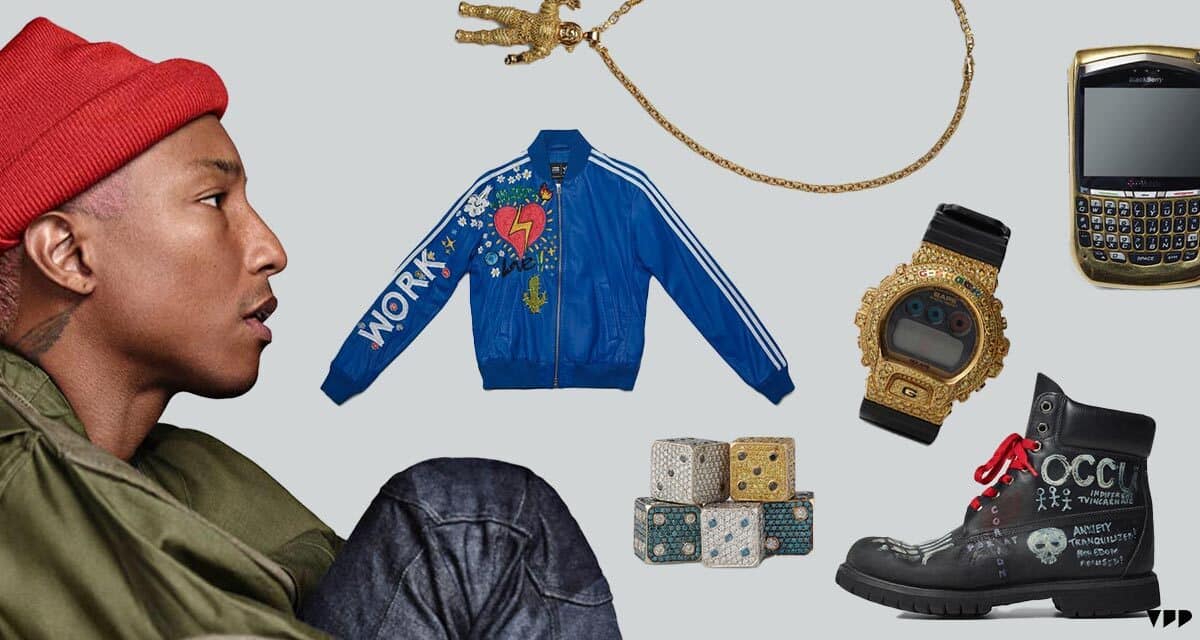

For many musicians, the allure of collecting stems from a deep-rooted connection to their craft. A violinist might find solace in the warm tones of a Stradivarius, while a drummer could see the artistry in a vintage Gretsch kit. These aren't just tools of the trade; they're extensions of the musician's soul. Yet, there's more to this burgeoning passion than meets the eye.
Take, for instance, John Mayer, the Grammy-winning guitarist known for his soulful riffs and smooth vocals. Mayer's love for guitars transcends mere functionality. His collection boasts over 200 guitars, including a coveted 1954 Fender Stratocaster. Mayer once remarked, “Each guitar has its own story, its own voice. They’re not just instruments; they’re companions on my musical journey.” His sentiment echoes a common theme among musician-collectors: the marriage of personal passion with the preservation of musical history.
Beyond the sentimental, there's a strategic element at play. In a world where financial landscapes shift as quickly as musical tastes, high-end collectibles offer a degree of stability. According to a 2022 report by Deloitte, the luxury watch market alone is projected to reach $10 billion by 2025, with rare timepieces appreciating at an annual rate of 5-15%. Musicians, often at the mercy of an unpredictable industry, find solace in the steady tick of a well-crafted watch.
Consider Pharrell Williams, the artist behind countless chart-topping hits. Williams, much like his approach to music, is eclectic in his collecting habits, with a keen eye for both vintage and contemporary watches. His collection includes pieces like the Audemars Piguet Royal Oak Offshore, a testament to his appreciation for timeless design and craftsmanship. “A great watch,” Williams once said, “is like a great song. It transcends time, maintaining its value and meaning.”
The community aspect of collecting cannot be understated. For musicians accustomed to the camaraderie of band life and the shared experience of live performances, the collector community offers a similar sense of belonging. Stories abound of musicians forming bonds over rare finds or swapping tales of the chase, much like trading riffs in a jam session.
In the end, it's clear that for these musicians, collecting is more than a hobby; it's a natural extension of their artistic identity. Whether they're acquiring a vintage Les Paul or a limited-edition Patek Philippe, these artist-collectors are investing in their legacy, one piece at a time.
As collectors ourselves, we can take a page from their songbook. Whether your passion lies in music, art, or the fine mechanics of a Swiss movement, the key is to collect what you love. After all, as these musicians remind us, the greatest treasures are those that strike a chord in our hearts and stand the test of time.
So, as you tune into your next symphony or set your watch to the rhythm of your day, remember the musicians who not only create art but also preserve it, ensuring that their passions—like their music—continue to resonate for generations to come.


