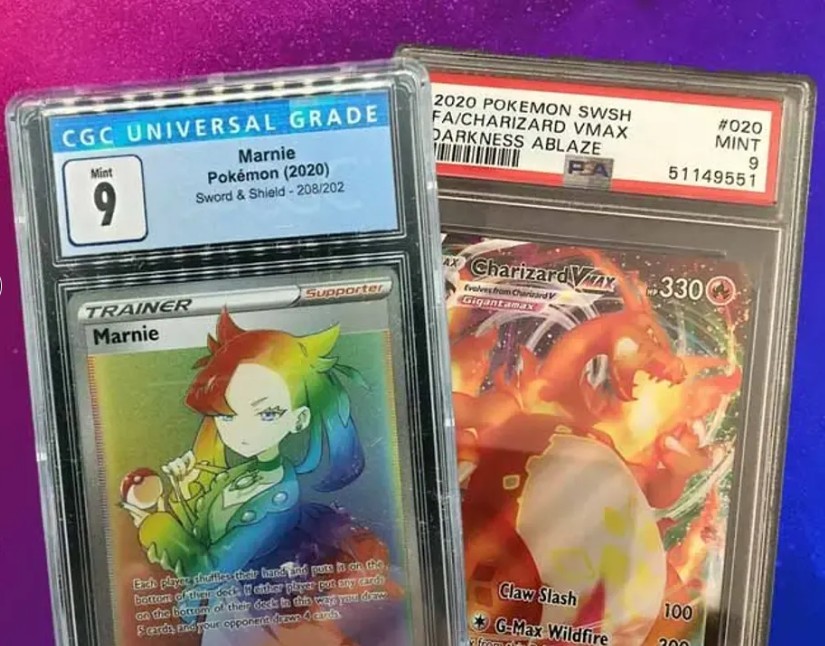

The Anatomy of a Grade
The process of grading a card might seem mysterious, but Emily assures me it’s rooted in a detailed analysis of four key aspects: centering, corners, edges, and surface. Each component contributes to the final score, typically on a scale from 1 to 10, with 10 representing a mint or pristine condition. "Centering is often the first thing I look for," Emily explains, "because a well-centered card is visually appealing and more structurally sound." She stresses that even cards fresh from the pack can have centering issues, a vital consideration for collectors.
Corners and Edges: The Telltale Signs
Next, Emily highlights the importance of corners and edges. "They’re like the card's skeleton," she says with a smile. "Any wear, like blunting or fraying, can significantly lower a card’s grade." She recounts a story of a collector who brought in a 1952 Topps Mickey Mantle card. "It was stunning," Emily recalls, "but the corners were slightly rounded, which affected its grade. The owner was initially disappointed, but understanding the grading rationale helped him accept it."
Surface: The Unseen Enemy
Perhaps the most overlooked aspect is the card’s surface. "Scratches, print lines, and even fingerprints can be detrimental," Emily notes. She recommends using clean hands and soft sleeves to handle cards. The surface condition can be tricky to assess, especially on high-gloss cards where imperfections are less visible to the naked eye. "We use special lighting and magnification to spot these flaws," Emily adds, emphasizing the importance of professional evaluation.
Myths and Misconceptions
Despite the rigorous standards, myths abound in the grading world. One common misconception is that grading is a subjective process. "While there's room for human error, we follow strict guidelines to ensure consistency," Emily reassures. She also addresses the myth that older cards automatically receive lower grades due to age. "A well-preserved vintage card can score as high as a modern card," she explains, highlighting the importance of proper storage and care.
The Collector's Role
Emily's insights reflect a broader trend within the collector community, where knowledge is power. By understanding the grading process, collectors can make informed decisions about which cards to grade and how to care for them. Emily’s final piece of advice? "Invest in quality storage solutions. A little care goes a long way in preserving value."
Preservation: The Smart Investment
In the end, the world of trading card grading is as much about preservation as it is about evaluation. As collectors, the joy of protecting what we love most is intertwined with the thrill of the hunt. Whether you're chasing the next big score or cherishing a sentimental piece, understanding the grading process is key to unlocking the full potential of your collection.
So next time you hold a card, remember Emily's words: "Every card has a story, and grading is just one way to tell it." With her insights, I'm reminded that the true value of a card isn't just in its grade, but in the joy it brings to those who hold it dear.


