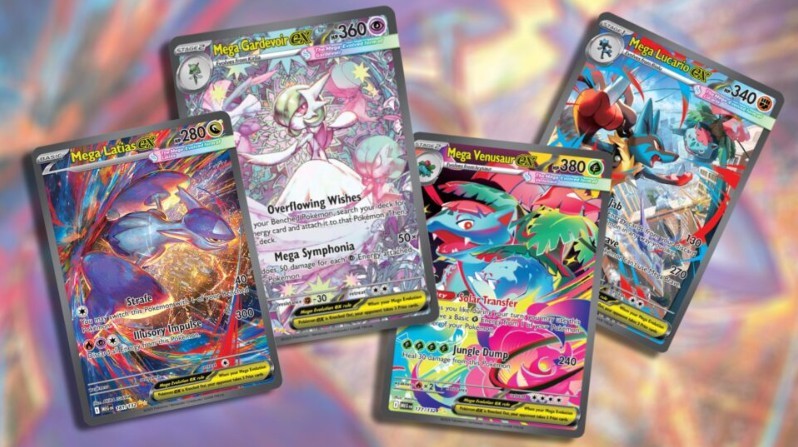

Centering, Print Quality, and Texture: The Basics
The first step in evaluating any Pokémon card is its centering. A misaligned card can significantly diminish its value, as grading companies like PSA and Beckett place heavy emphasis on this aspect. A well-centered card will have equal borders on all sides, which directly impacts its visual appeal and grading potential.
Print quality and texture are equally telling. Authentic Pokémon cards have a distinct, sturdy feel, with vibrant colors and clear printing. Counterfeits often fail in this department, with blurry text or faded colors. The texture should be smooth yet firm, a tactile quality that many forgeries lack.
Holo Behavior: The Shimmer of Authenticity
The holographic area of a Pokémon card is often its centerpiece, and understanding its behavior is essential. Authentic holos have a consistent, reflective quality that shifts evenly under light. In contrast, fake holos might show patchy or inconsistent reflective patterns, a clear red flag for any discerning collector.
Fake vs Authentic: Fonts, Energy Symbols, and Gloss
Distinguishing authentic Pokémon cards from fakes requires a keen eye for detail. Fonts on fake cards often appear slightly off, with letters either too bold or too thin. Compare the energy symbols and other icons against known authentic cards; discrepancies here are often telltale signs of counterfeit.
The gloss of a card can also be revealing. Genuine Pokémon cards usually have a subtle, even gloss, while counterfeits might be overly shiny or dull. The trick is to know what to look for—sometimes, it’s the smallest inconsistencies that give away a fake.
Why “Bulk” Doesn't Always Mean Worthless
In the Pokémon world, “bulk” often refers to large quantities of common cards, typically seen as less valuable. However, savvy collectors know that bulk can be a treasure trove of overlooked gems. Early editions, shadowless variants, or cards in exceptional condition can sometimes be found hidden among the masses, offering opportunities for profit or personal collection enhancement.
Common Beginner Mistakes That Kill Value
Newcomers often make the mistake of not storing their cards properly, leading to bent corners or surface scratches. Always use card sleeves and store them in a cool, dry place to maintain condition. Another common error is neglecting to research before purchasing—impulse buys often lead to acquiring overvalued or undesirable cards.
When Grading is Actually Worth It
Grading is a double-edged sword. While a high grade can exponentially increase a card’s value, the cost of grading relative to the card’s potential worth should be carefully considered. For rare cards, in excellent condition, or historically significant, grading is a no-brainer. However, for more common cards or those in less-than-ideal condition, the return on investment may not justify the expense.
Conclusion
Mastering the art of Pokémon card evaluation goes beyond mere aesthetic appreciation—it’s about recognizing the subtle details that dictate value. By honing these skills, collectors can navigate the market with confidence, ensuring their investments are sound and their collections truly shine. Remember, in a world often clouded by hype, clarity and attention to detail will always be your best assets.