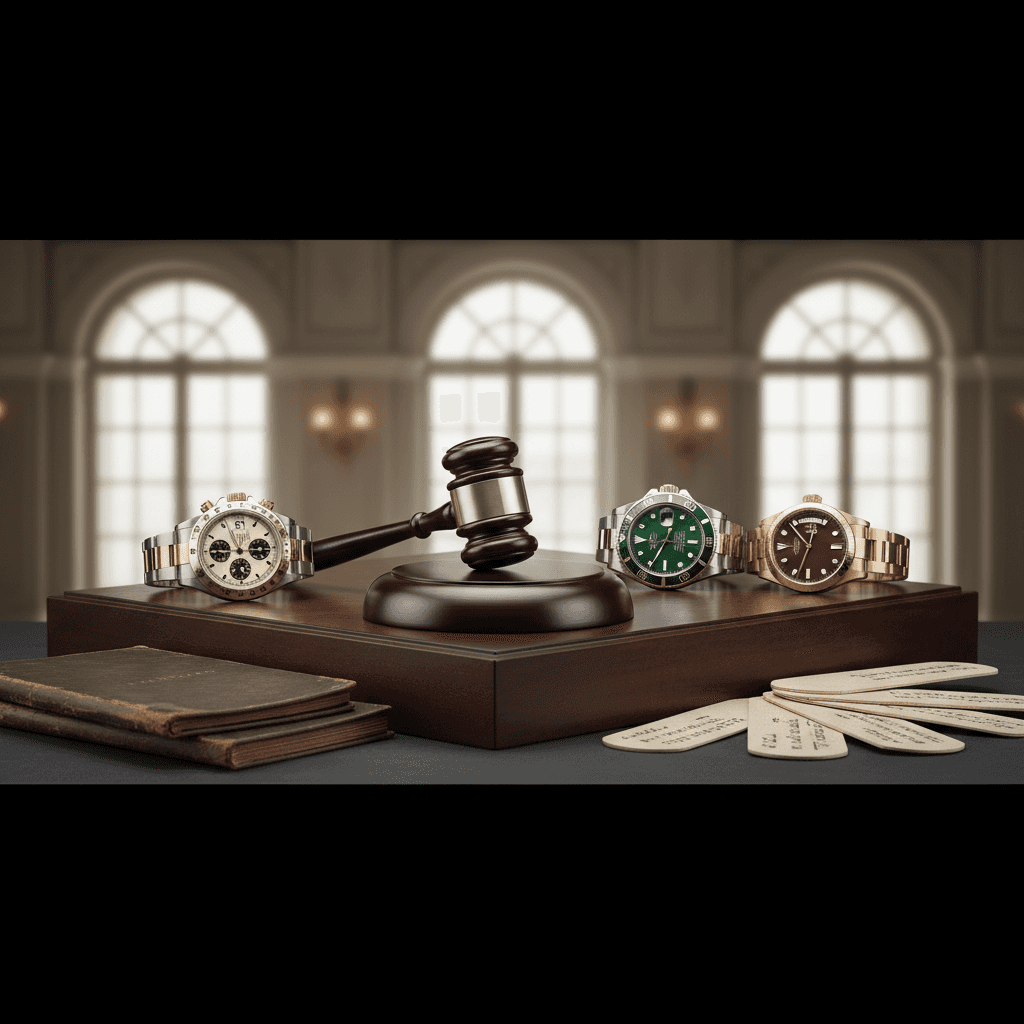
Today, those scraps of paper are the difference between a five-figure sale and a six-figure auction record.
In the world of luxury assets, we are currently living through the "Era of Provenance." Whether it’s a GMT-Master from 1964 or a Hermès Birkin from the early 2000s, the physical object is only half the story. The other half is the paper trail. To the uninitiated, the obsession with "Full Set" listings—box, papers, hangtags, and original bill of sale—might seem like pedantry. To the serious collector, however, original documentation is the soul of the asset.
The Psychology of Proof
Why does a yellowed piece of paper from 1982 command such a premium? It stems from a fundamental shift in how we perceive value. In an era of sophisticated "super-fakes" and high-level franken-watches (genuine pieces assembled from mismatched parts), documentation serves as a biological passport.
But the appeal isn't just clinical; it’s emotional. Collecting is, at its core, an act of preservation. When you hold the original hand-signed guarantee for a Patek Philippe, you aren't just holding a warranty; you are holding a direct link to the day that object entered the world. It provides a narrative bridge between the manufacturer’s workbench and the collector’s wrist. It transforms a commodity into a historical artifact.
From Trash to Treasure: The Historical Shift
The pivot toward valuing documentation didn't happen overnight. It was birthed in the late 1980s and early 90s, coinciding with the rise of the thematic auction. As houses like Antiquorum began treating watches as fine art rather than mere tools, the "completeness" of a lot became a metric for quality.
Take, for instance, the original "punch papers" of vintage Rolexes. In the mid-century, these were utilitarian. Today, they are DNA. A "Full Set" vintage Submariner can command a 30% to 50% premium over a "naked" watch of the same condition. In the world of fine art and rare handbags, the "Certificate of Authenticity" or the original boutique receipt acts as the ultimate defense against the $2 trillion global counterfeit market.
This obsession is a reaction to the digital age. As our lives become increasingly ephemeral and digitized, the tactile nature of a physical receipt—the ink of a long-closed boutique, the embossed logo of a defunct distributor—offers a grounding sense of reality.
The Risk of the Paper Trail
However, this obsession brings its own set of hazards. The market for "blank" vintage certificates has exploded, leading to a new frontier of fraud where bad actors marry an authentic watch with a forged or "filled-in" period-correct paper.
This is why provenance must be verified with the same rigor as the asset itself. For the budding collector, this can be a minefield. Does the serial number font on the guarantee match the manufacture's contemporary style? Is the patina on the paper consistent with its age? These are the questions that keep collectors up at night.
Safeguarding the Legacy
For those of us deeply embedded in this culture, we recognize that we are merely temporary stewards of these objects. Our responsibility is to preserve the integrity of the asset for the next generation.
This is where the intersection of traditional collecting and modern technology becomes vital. At WAX Collect, we’ve built a platform that understands the weight of these documents. Our free collection management system allows you to digitize every receipt, certificate, and service record, anchoring them to your digital catalog. It’s not just about organization; it’s about protection.
If a flood or fire occurs, the watch might be insured, but if that original 1960s manual is destroyed, a portion of the asset's market value vanishes forever. By utilizing our white-glove concierge services and digital vaulting, collectors can ensure that the "story" of their piece is as well-guarded as the piece itself.
Why It Matters
Ultimately, the obsession with original documentation matters because it represents the truth. In a market fueled by passion and significant capital, documentation is the final arbiter of authenticity. It rewards the diligent collector and punishes the shortcut-taker.
Whether you are chasing a "Full Set" Paul Newman Daytona or a pristine Kelly bag with its original clochette and sleepers, remember: you aren't just buying an object. You are buying its history. Keep the papers. They are the most expensive scraps of paper you will ever own.