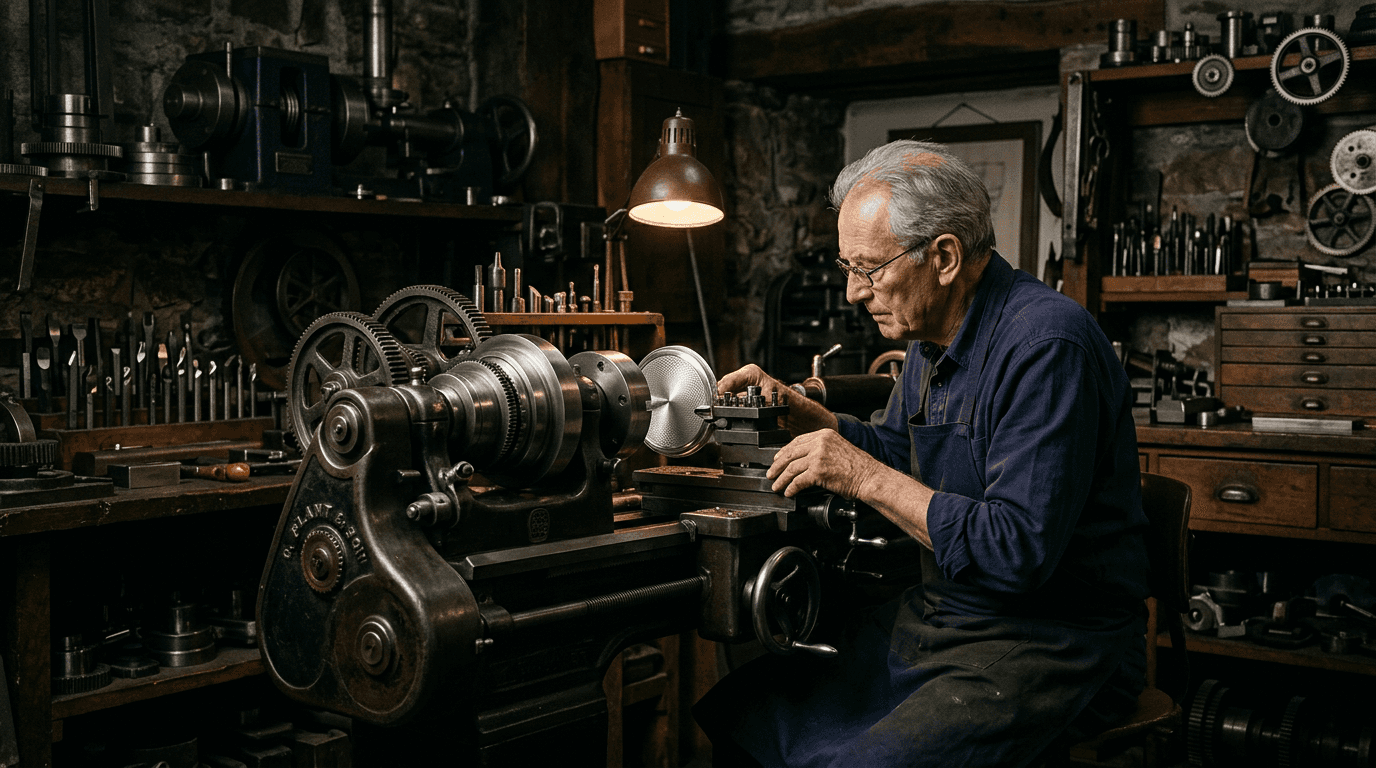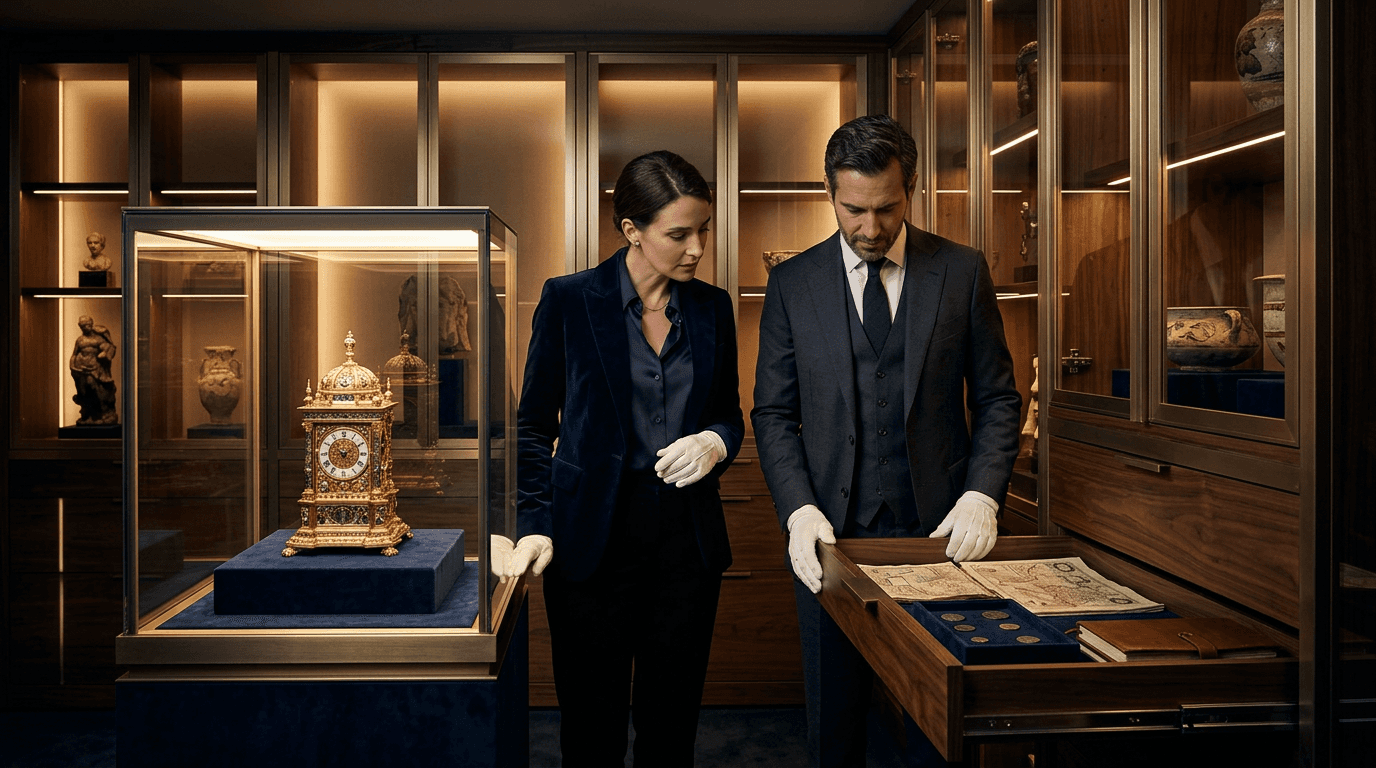

But the reality of the modern cultural landscape tells a different story. The boundary between the private vault and the public pedestal is becoming increasingly porous. Today, museums are leaning on private collectors more than ever to flesh out their exhibitions, fill historical gaps, and tell stories that their own permanent acquisitions simply cannot.
The Curation Gap
To understand why institutions like the Patek Philippe Museum or the MoMA are looking toward private individuals, one must look at the economics of acquisition. Museums, even those with substantial endowments, operate on budgets that are often dwarfed by the explosive growth of the private luxury market.
When a rare watch or piece of contemporary art hits the auction block, the winning bid is frequently a private collector. Consequently, the most pristine, historically significant examples of cultural artifacts are often held in private hands. For a museum to mount a definitive retrospective—say, an exploration of the "Dirty Dozen" field watches or the evolution of the integrated bracelet—they can no longer rely solely on their internal archives.
By borrowing from private collections, museums gain access to the "best of the best." This symbiosis allows an institution to maintain its status as a site of scholarly excellence while providing the private collector with something far more valuable than a tax write-off: institutional validation.
The Collector as Historian
In my time speaking with the community at WAX, I’ve noticed a shift in the collector’s psyche. We are moving away from the era of the "hoarder" and into the era of the "steward."
Serious collectors today are often more specialized than generalist museum curators. A private individual might spend twenty years obsessively documenting every fractional dial variation of the Rolex GMT-Master. When a museum decides to host an exhibition on the history of jet-age travel, that collector isn't just a source for a watch; they are a primary source of scholarship.
This relationship shapes cultural history by ensuring that niche narratives aren't lost. Private collectors often take risks on emerging artists or obscure horological complications long before an institutional board of trustees would approve the purchase. In this sense, the private collector acts as the "R&D" department for future museum exhibitions.
The Risks of the Limelight
However, moving a high-value asset from a private safe to a museum vitrine is not without its anxieties. The logistics of transit, the environmental shifts of a gallery space, and the sheer exposure to the public create a unique risk profile.
This is where the "professionalization" of the hobby becomes essential. For a collector to confidently say "yes" to a loan request from a major institution, they need to know their asset is protected by more than just a standard homeowners policy—which, as we know, rarely accounts for the nuance of market appreciation or the complexities of international transit.
At WAX Collect, we see this transition as a milestone in a collector’s journey. Our platform isn’t just about insurance; it’s about providing the infrastructure for this kind of stewardship. Through our free collection management tools, collectors can maintain the high-resolution documentation and provenance records that museums require for loan agreements. When the time comes to move an asset for exhibition, our white-glove concierge service ensures that the transition from private vault to public gallery is seamless and fully protected.
Why This Matters to You
Whether you are a budding enthusiast or a seasoned veteran with a safe full of grails, this trend matters because it redefines the purpose of ownership.
To the budding collector, it serves as an inspiration: the objects you acquire today are the artifacts of tomorrow. To the serious collector, it offers a path toward legacy. By participating in the institutional ecosystem, you are contributing to a collective understanding of craft, design, and history.
The objects we love are meant to be seen. When we bridge the gap between the private and the public, we ensure that the stories behind these assets—the "Vaulted Voices"—are heard by a global audience. We aren't just owners; we are the temporary keepers of history, tasked with ensuring these pieces survive to inspire the next generation of seekers.