But in the world of true luxury, industrial logic is a trap.
Whether it’s Patek Philippe’s massive $600 million headquarters in Plan-les-Ouates or Hermès opening its 23rd leather workshop in Riom, factory expansion is rarely about flooding the market. In fact, for the serious collector, these expansions are less about volume and more about the existential survival of the brand’s value proposition.
The Myth of Throughput
To understand why these expansions don't lead to instant gratification, we have to look at what is actually happening inside those walls.
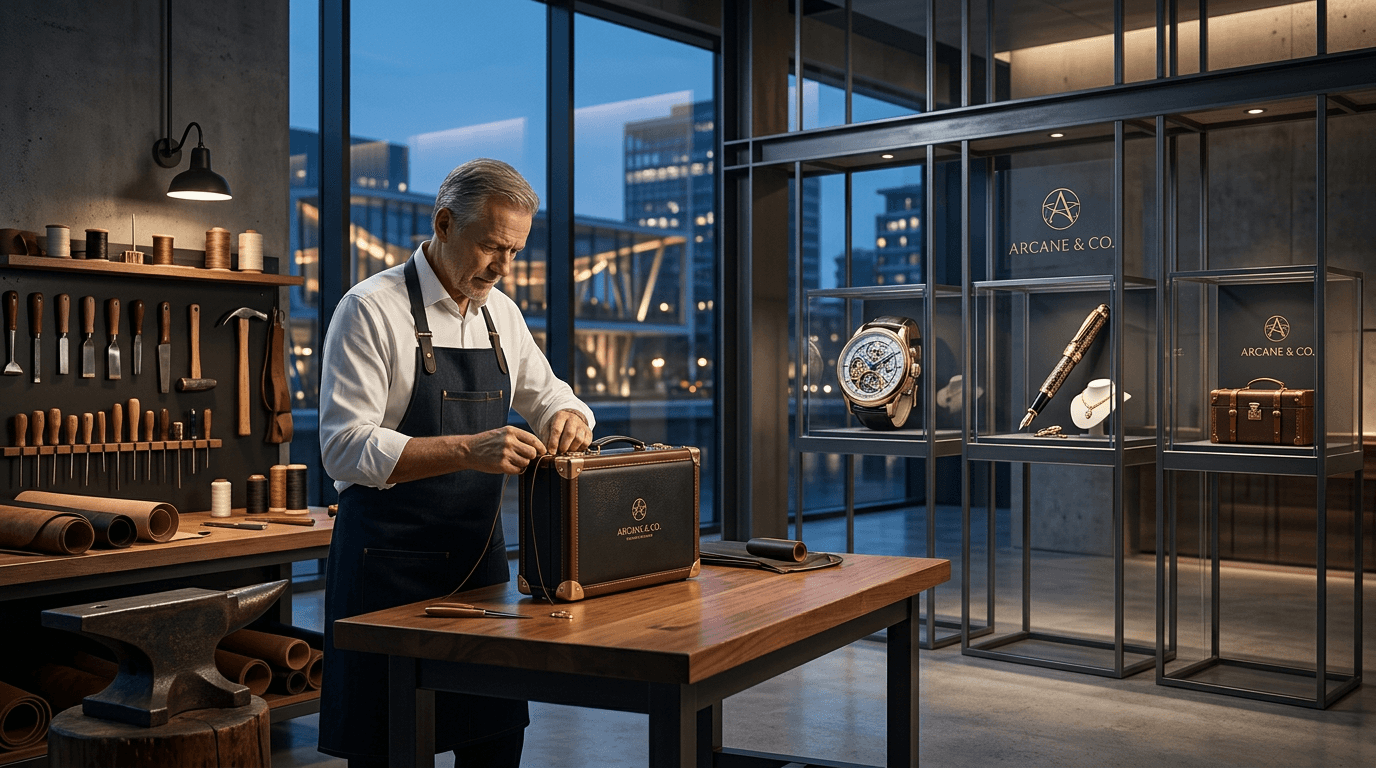
When a brand like Patek Philippe expands, they aren't just adding assembly lines; they are consolidating fragmented processes. For decades, high-end horology and leatherwork relied on a network of external specialized workshops. By bringing everything under one roof, brands gain total vertical integration. This isn't about making more; it’s about ensuring that the one piece you eventually buy meets a standard of quality that justifies its 20% annual appreciation.
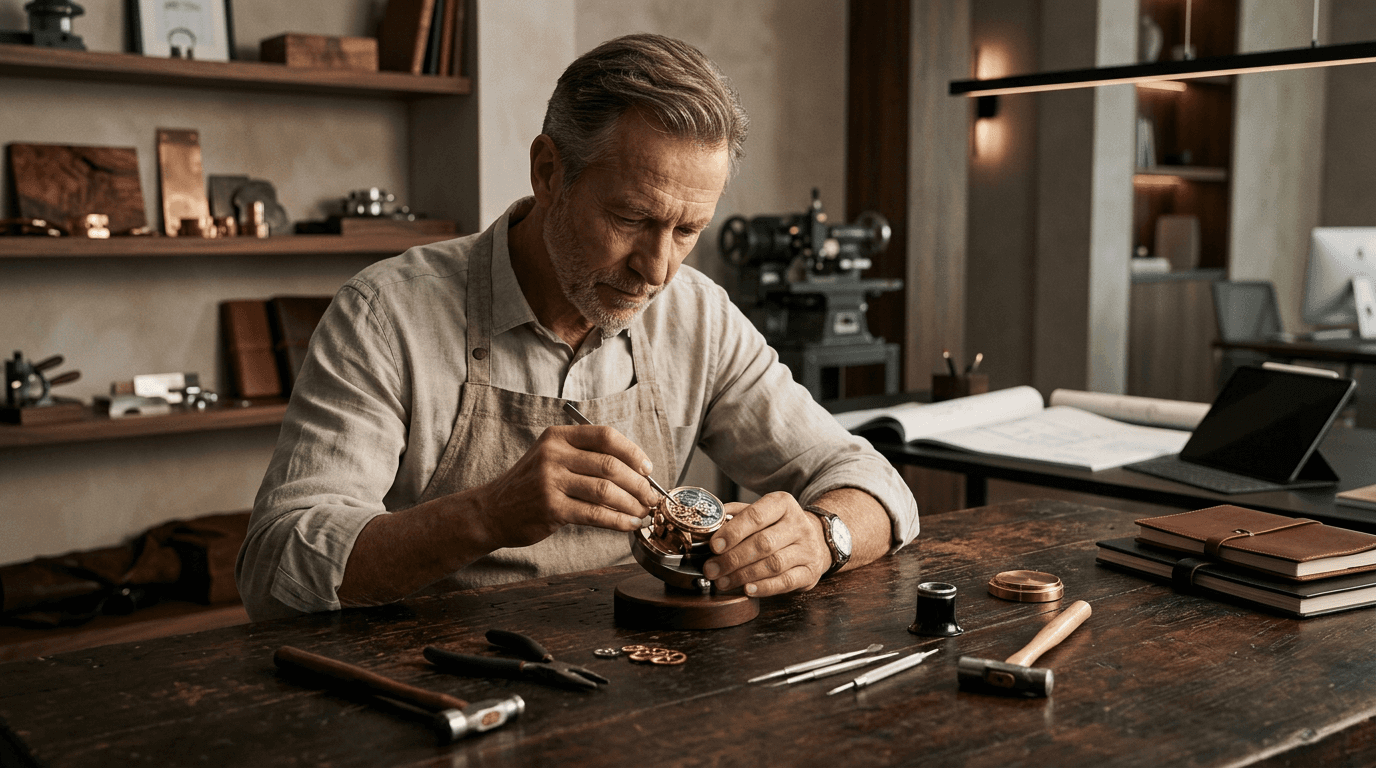
Furthermore, luxury production faces a bottleneck that money cannot solve: human capital. You can build a state-of-the-art facility in eighteen months, but it takes a decade to train a master polisher or a prototype watchmaker. When Hermès opens a new maroquinerie, they often start with only a handful of artisans, slowly scaling as the next generation completes their rigorous training.
If production increased at the rate of floor space, the secondary market would collapse. These brands are acutely aware that their power resides in the delta between demand and supply. They aren't building factories to bridge that gap; they are building them to maintain it while modernizing their tech stack.
The R&D Arms Race
There is also the matter of "Future-Proofing." The modern collector is more informed and more demanding than ever. We want silicon hairsprings, increased power reserves, and leather tannins that are both environmentally sustainable and indestructible.
New facilities allow for dedicated research and development departments that simply couldn't fit in 19th-century ateliers. These expansions are often where the "laboratories of the future" reside. They are designed to house the heavy machinery required for advanced metallurgy or the climate-controlled rooms needed for testing grand complications.
For the collector, this matters because it impacts the longevity of the asset. A watch or handbag produced in a modern, technologically superior facility is, theoretically, a more durable store of value. It is less prone to the "Friday afternoon" defects of a cramped, legacy workshop.
Why This Matters to the Collector
If you are a budding collector, don't view a factory announcement as a sign that your "call" is coming next week. Instead, view it as a signal of institutional health.
Valuation Stability: A brand investing a billion dollars in infrastructure is a brand that is playing a fifty-year game. They are not chasing quarterly dividends by diluting their brand equity with mass production.
Service and Restoration: Part of these expansions is almost always dedicated to "After-Sales." As the volume of pieces in the wild grows, the infrastructure to service them must grow proportionally. Without these factories, your vintage 5270 becomes an unserviceable paperweight in thirty years.
Authentication and Provenance: Modern facilities allow for better digital integration—think NFC chips in bags or laser-etched serials in movements. This tech-forward approach makes it harder for the gray market to circulate fakes, protecting your investment.
The Signal Beneath the Noise
At WAX Collect, we spend a lot of time looking at the hard data behind these shifts. When we see a "Big Three" brand expand, we don't adjust our market outlook for a price drop. We look at it as a reinforcement of the asset class.
Collecting at this level is a game of patience and precision. While these brands scale their walls, you should be scaling your approach to management. Whether you’re tracking a portfolio of 50 watches or waiting on your first Birkin, the quality of the asset is only half the battle; the other half is how you protect and document it.
The new factory in Bulle or Riom isn't there to make your next purchase easier. It’s there to ensure that once you finally get it, it remains worth every penny you fought to spend.